
Staff Correspondent | May 3, 2025
Concerns are mounting over the proposed “humanitarian corridor” for the Arakan Army amid its rising dominance at the Bangladesh-Myanmar border. Critics speculate whether this initiative, purportedly intended for Rohingya repatriation, could covertly facilitate the supply of lethal weapons.
A hub for Arakan Army activities, Bolibazar in Thanchi upazila of Bandarban, once saw their soldiers purchasing daily essentials without interference from border authorities. However, a devastating fire on March 22, 2023, destroyed 52 shops, causing losses of approximately 600 million BDT. Analysts believe the fire resulted from a clash of interests between traders and the Arakan Army. Since then, the group has expanded its presence in Bangladeshi villages and markets along the Naf River.
Despite the deployment of new Border Guard Bangladesh (BGB) battalions, the Arakan Army has asserted control over the border areas, leveraging speedboats to access markets freely. Reports suggest their forces now exceed 40,000, with alleged ties to U.S. plans and a coalition with the Chin National Army to oust Myanmar’s junta from strategic Rakhine cities like Sittwe and Kyaukpyu.
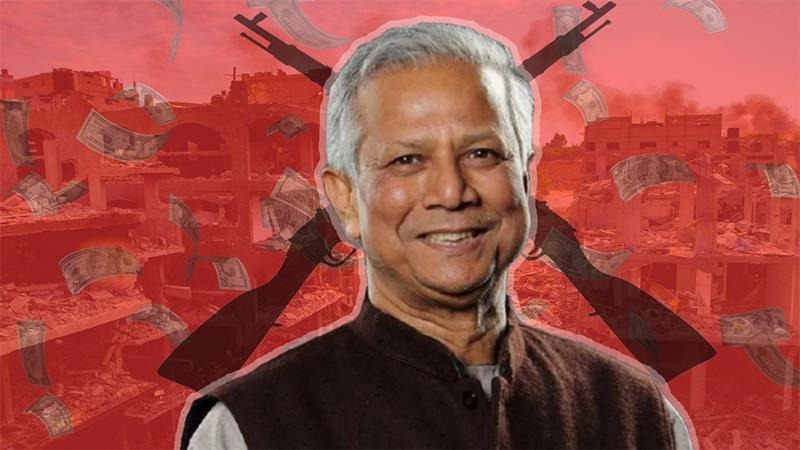
The Yunus-led interim government, under National Security Advisor Khalilur Rahman, is aggressively pursuing the humanitarian corridor plan. Despite proposals for Norwegian cooperation, internal consensus remains elusive. Concerns are compounded by reports of covert supply chains operating under military logistics from Bangladesh’s 10th Infantry Division in Ramu.
Former Prime Minister Sheikh Hasina has condemned the initiative, warning of its implications for national sovereignty and humanity. “Using Bangladesh to facilitate mass killings in another country under the guise of a corridor is unacceptable,” she said at a public forum on May 2.
The Awami League, through a statement signed by Bahauddin Nasim, opposed the corridor, citing risks to sovereignty and potential involvement in proxy wars between powerful global actors.
The BNP also expressed apprehension, with its publicity secretary Sultan Salahuddin Tuku questioning the lack of transparency. “Such a decision cannot bypass the public and political stakeholders,” he stated.
The controversy deepens as tensions rise between the Arakan Army and Rohingya resistance forces. Observers fear the corridor might exacerbate instability, with questions looming over the safety and security of repatriated Rohingya.
As political and humanitarian challenges intensify, the government’s next steps will be closely scrutinized.

https://stapravda.ru/20221228/reyting_samyh_populyarnyh_hostingov_v_rossii_196445.html, рейтинг хостингов России подтверждает, что выбор надежного провайдера важен для бизнеса.