
❐ Staff Reporter
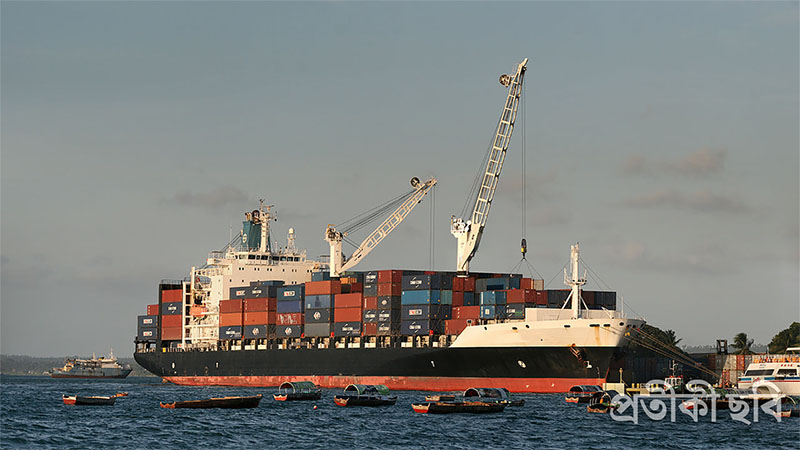
The ongoing conflict in the Middle East has intensified instability in the global shipping sector, which has started to have a direct impact on Bangladesh’s imports and exports. To avoid risks, many ships are waiting in safe waters, while some are navigating long and expensive alternative routes.
As a result, both transportation time and costs are increasing. At the same time, the price of bunker fuel has increased due to the tight supply of oil and insurance premiums have also increased significantly.
In this situation, shipping lines operating in the country have increased container detention charges by 7-10 percent and imposed emergency fuel surcharges (EFS) on various routes, putting new cost pressures on traders who were already stressed due to the decline in global demand.
Industry insiders believe that, collectively, these factors could increase logistics costs by about 20-25 percent.
According to industry insiders, if energy market volatility and geopolitical risks continue, ship charters and related costs will remain high in the short term, putting pressure on import costs and inflation, as well as undermining the competitiveness of an export-dependent economy.
Khairul Alam Sujan, former director of the Bangladesh Shipping Agents Association, said, “After the war in the Middle East, fuel prices have increased from below $70 per barrel to around $118. At the same time, insurance premiums have increased by 50-60 percent. As a result, there is no option but to increase the fare.”
Traders say the new surcharge has already had an impact on freight rates. Rakibul Alam Chowdhury, an entrepreneur in the ready-made garment sector, said the cost of importing a 20-foot container from Shanghai has increased from $1,500 in February to $1,900 in March. Similarly, the cost of exporting garments to Los Angeles has increased from $2,300 to $2,900. In both cases, shipping costs have increased by about 26-27 percent.
The China-Bangladesh route is very important for the country’s garment sector. According to the Bangladesh Trade and Tariff Commission, about 80 percent of the $18.44 billion worth of textile raw materials imported in the 2024-25 fiscal year came from China. As a result, the increase in costs on this route is directly affecting production costs.
As ship charter, fuel and ancillary costs have risen together, many importers are now following the ‘wet and sea’ policy.
BSM Group Chairman Abul Bashar Chowdhury said, “We have suspended imports since the war began. The rent has increased by $20-25 per ton, and at the same time, the price of the product is also increasing. In this situation, we are out of the market for now.”
According to exporters, there is limited scope to pass on additional costs to buyers. BGMEA Director Abu Tayyab said, “Buyers will not bear the additional freight or detention charges. As a result, we have to bear these costs, which is reducing profits and weakening competitiveness.”
A senior official of a top shipping line, speaking on condition of anonymity, said that detention charges are adjusted based on the situation. “Overall operating costs have increased due to increased bunker fuel and insurance costs. It is not just one company, almost all shipping lines are adjusting charges for the same reason,” he said.
Industry insiders also said that with the increase in detention and demurrage charges, the risk of additional fines if containers are not released on time is increasing. Due to delays in customs clearance, port congestion or internal transportation problems, traders now need more efficient logistics management.
Syed Ershad Ahmed, president of the American Chamber of Commerce in Bangladesh, said, “If the current situation continues, its full impact will be visible from April. Already, fuel surcharges have increased global freight costs, putting pressure on the supply chain.”

https://stapravda.ru/20221228/reyting_samyh_populyarnyh_hostingov_v_rossii_196445.html, рейтинг хостингов России подтверждает, что выбор надежного провайдера важен для бизнеса.