

Critics say syndicates are active in the energy sector, calling the crisis ‘artificial’
Special Correspondent
The gas crisis across the country has become severe—stoves in homes are not burning, lines at CNG stations are stretching for kilometers, and public life is disrupted by load shedding. Yet, news of LNG cargo purchases is being published in newspapers almost every day.
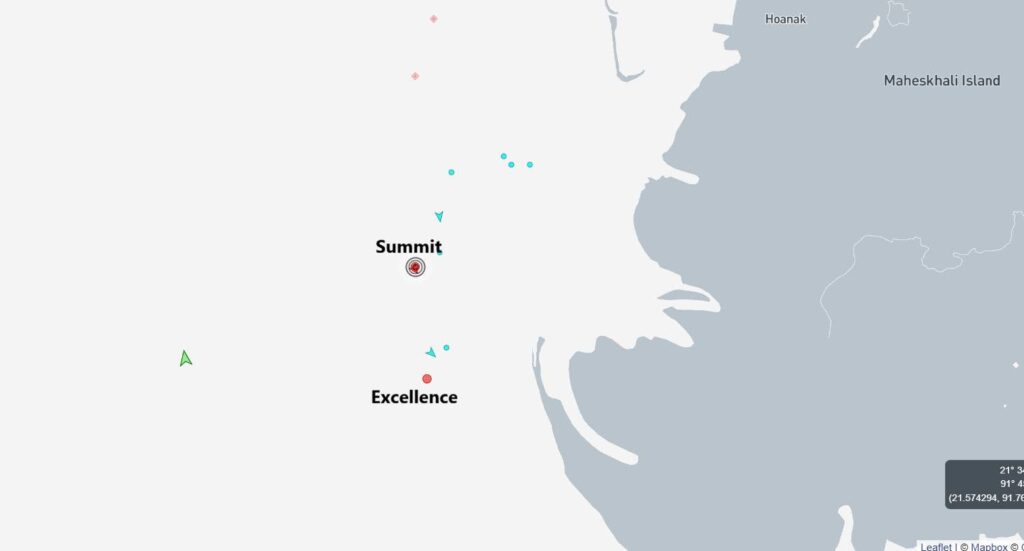
Amid this contradiction, it is learnt that the country’s two floating LNG terminals—the Accelerate Energy and Summit terminals—have been lying empty for the past six days. No LNG-carrying ships have docked there. During this time, the government is having to pay around 6 crore taka per day for the rent of the two terminals.
At the same time, information about large commission transactions in the LNG cargo purchase process is also available from various sources.

Why this sudden change after 2024?
Observers’ question: Why did such a crisis suddenly arise after two years, even though the energy supply system was fairly normal until August 2024? Some critics believe that this crisis is essentially artificially created and a reflection of the current government’s failures.
According to their statement, it is alleged that a section of those associated with the then ‘Hawa Bhaban’-centric syndicate led by Tarique Rahman during the 2001-2006 term have become active again after the formation of the current government, with a group of businessmen who have returned from London joining them. The complainants claim that a process is underway to first create an artificial crisis and then give work orders to specific groups in the name of dealing with that crisis.
Changes in LNG supplier list
According to the information received, Bangladesh Petrobangla’s subsidiary, Transformed Natural Gas Company Limited (RPGCL), used to procure LNG through 17 listed companies earlier. After the formation of the current government, some new preferred companies have been inserted in place of the previously listed companies.
Skyrocketing LNG price gap
During the previous Awami League government, LNG was imported from the spot market, along with one long-term agreement with Oman and two with Qatar. During the interim government, LNG is being purchased from the US-based company of Dr. Yunus’ friend Peter Hass and currently from the spot market of the BNP government at a much higher price than before. In 2024, the price of LNG per MMBTU was about $12, which has now increased to about $24.
Names emerging as leaders of the fuel syndicate
Those who are said to be in the running as energy sector regulators include the energy minister’s son Abid, home minister Salahuddin Ahmed’s son Saeed, and minister Tuku’s long-time business associate FK Md. Emdad Khan Rinku. It is alleged that businessman Emdad Khan Rinku transferred about $17 million to the energy minister’s son Abid in the first week of August after receiving an LNG purchase order. The transaction was mediated in Malaysia through a broker named Bakhtiar.
There have been allegations of a similar syndicate being active in fuel oil imports. Sources say that Andalib Rahman Partha has involved his younger brother Shanto in the oil imports of Bangladesh Petroleum Corporation (BPC).
Some of the individuals from the Hawa Bhaban-related syndicate of the 2001-06 period who were allegedly involved in the Niko-related bribery scandal are now being claimed to be active in the energy sector – names on this list include people like Gias Uddin Al Mamun, Babul Kazi, Moin Hasan and Gorky.
Concern: Privatization of the energy sector
Critics fear that the move is not just aimed at controlling procurement, but also at gradually privatizing the entire energy sector. The process of privatizing the electricity distribution system has already begun, and discussions are underway to transfer the energy import and marketing sector, which was exclusively controlled by the government, to a few large industrial groups.
In the overall situation, analysts question who will determine the country’s electricity and energy pricing and supply policy in the future: a few corporate groups, or the public interest. According to them, an independent investigation into these allegations and the disclosure of the statements of the ministries and individuals concerned are essential.

https://stapravda.ru/20221228/reyting_samyh_populyarnyh_hostingov_v_rossii_196445.html, рейтинг хостингов России подтверждает, что выбор надежного провайдера важен для бизнеса.