

Special Report
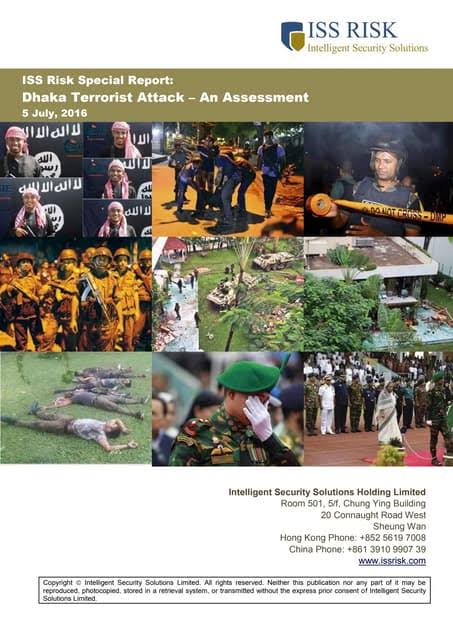
Today, July 1, 2025, marks the ninth anniversary of the horrific terrorist attack at Holey Artisan Bakery in Gulshan, Dhaka. On this day in 2016, around 8:45 PM, five young militants carried out an unprecedented attack on the bakery and restaurant located at Road 79 in Gulshan, the diplomatic zone of Bangladesh’s capital. This attack remains the deadliest terrorist incident in Bangladesh’s history, sending shockwaves across the country and the world. The Islamist militants killed 22 people, including 17 foreign nationals, two police officers, and three Bangladeshis.
The Attack: A Night of Horror
On July 1, 2016, at approximately 9:20 PM, the five attackers stormed the bakery armed with bombs, guns, and sharp weapons. They took diners hostage and began shooting and detonating explosives. Those who couldn’t recite Quranic verses were brutally slaughtered with sharp weapons. Among the victims were nine Italians, seven Japanese, one Indian, and one Bangladeshi-American dual citizen. Two police officers – Assistant Commissioner Rabiul Karim of Dhaka Metropolitan Police and Banani Police Station’s Officer-in-Charge Salauddin Ahmed – were also killed in the attack.
The 10-hour hostage crisis ended the next morning with “Operation Thunderbolt,” a military raid led by the Army’s Para-Commandos. Five militants were killed, one suspect was arrested, and 13 hostages were rescued alive. Over 50 people, mostly police personnel, were injured.

Global Shockwaves
The Holey Artisan attack marked a grim milestone as Bangladesh’s first large-scale terrorist assault targeting foreign nationals. The Islamic State (IS) claimed responsibility through its news agency, Amaq, and released photos of the five attackers. However, the Bangladeshi government blamed the attack on Neo-JMB, a local militant group inspired by IS ideology.
The Attackers’ Identities
Police investigations identified 21 individuals linked to the attack, including the five slain militants:
Rohan Imtiaz: Highly educated, from an affluent family.
Nibras Islam: Former student at North-South University.
Shamimul Mobin Mashuk: Wealthy background, radicalized.
Shafiqul Islam Uzzal: Resident of Dhunat, Bogura.
Khairul Islam Payel: Resident of Shahjahanpur, Bogura; an Alim-passed student.
Other key figures, including mastermind Tamim Chowdhury (a Canadian-Bangladeshi), were killed in subsequent raids. Investigations revealed most attackers were well-educated and from privileged backgrounds.
Planning and Preparation
The militants spent four months preparing for the attack. Tamim Chowdhury finalized plans at a meeting in Saghata, Gaibandha, in February. Holey Artisan was chosen as the target just two weeks prior, with attackers briefed on the location 3-4 days before the assault. Their goal was to demonstrate capability by attacking a diplomatic zone, commit atrocities against foreigners, and gain media attention.
Trial and Punishment
A case was filed under the Anti-Terrorism Act. After a two-year investigation, charges were pressed against eight suspects in 2018. On November 27, 2019, a special tribunal sentenced seven militants to death. However, on October 30, 2023, the High Court commuted their sentences to life imprisonment. The convicted included Aslam Hossain (Rashed), Hadisur Rahman Sagar, and Shariful Islam. Mizanur Rahman (Boro Mizan) was acquitted due to insufficient evidence.
Impact and Aftermath
The attack prompted a major overhaul of Bangladesh’s security apparatus. Post-attack crackdowns by police and RAB killed 80 militants and arrested over 300. RAB Director General Benazir Ahmed emphasized the need for effective deradicalization programs. While the attack spread fear, it also galvanized counterterrorism efforts, improving Bangladesh’s global terrorism index ranking.
After The August 5 Incident

Following the fall of the government on August 5, 2024, amid student-public protests, hardline groups gained influence under Dr. Yunus’s interim administration. In a controversial move, the memorial honoring the police martyrs of the Holey Artisan attack was demolished – a act widely condemned as an insult to the nation’s history and the sacrifices of security forces.
Nine years later, Bangladesh remembers the victims of Holey Artisan. The attack remains not just a tragedy but a stark reminder of the persistent threat of extremism. Annual vigils honor the victims, and the government maintains its hardline stance against terrorism. The demolished memorial symbolizes ongoing tensions between preserving history and political upheaval.

https://stapravda.ru/20221228/reyting_samyh_populyarnyh_hostingov_v_rossii_196445.html, рейтинг хостингов России подтверждает, что выбор надежного провайдера важен для бизнеса.