
❐ International Desk
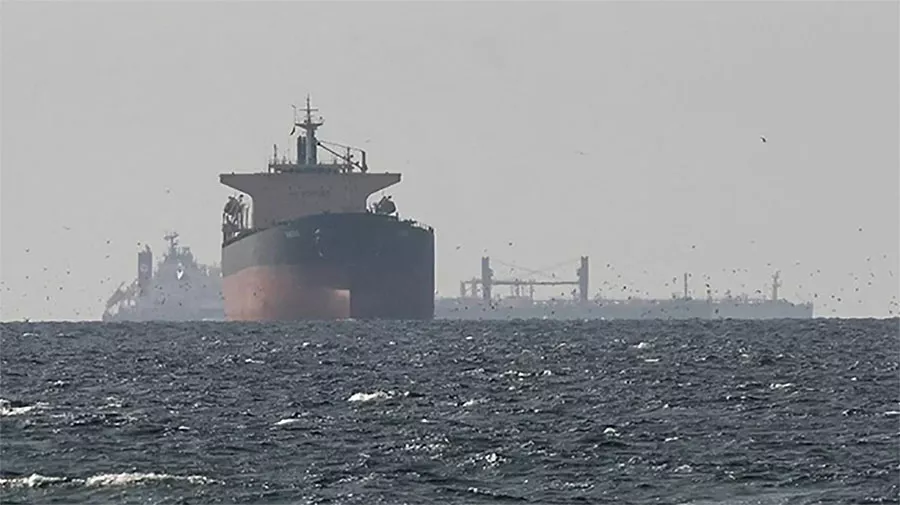
The United States has issued a stern warning that shipping companies that pay tolls to Iran for safe passage through the Strait of Hormuz could face sanctions.
In a statement released Friday, the Office of Foreign Assets Control under the US Treasury Department said that payments to Iranian government entities are generally prohibited for US individuals and entities, and such transactions may also pose a risk of sanctions for foreign entities.
The notice states that multiple sanctions laws may apply to vessels or institutions associated with Iran’s ports or shipping sector, which will pose serious risks to those involved.
Shipping through the Strait of Hormuz has declined significantly since the conflict began in February, from a handful of ships passing through daily to dozens now. At the same time, the United States has imposed a naval blockade on Iranian ports.
Iran has called the blockade “maritime piracy” and claimed that it is collecting tolls from ships for safe passage through the strait.
The country’s deputy speaker of parliament, Hamidreza Haji Bababey, recently said that the first money collected from this sector has been deposited in the central bank. However, details about the amount of the toll or who paid it have not been disclosed.
The US warning states that payments can be made not only in cash but also in digital assets, barter contracts, goods or services, or even charitable donations. Any such transactions involving US financial institutions or insurance companies could create legal complications.
The United States also said it would continue to take tough measures targeting Iran’s main sources of revenue, particularly its oil and petrochemical sectors, and has imposed sanctions on three Iranian foreign exchange institutions.
In the context of the conflict, Iran has targeted and seized several ships sailing through the Strait of Hormuz, while many commercial vessels have been forced to turn back since the US naval blockade took effect in mid-April.
Experts say the Strait of Hormuz is a vital route for global trade, transporting goods including oil, food, medicine and technology. Blocking this route has put pressure on the international supply chain.
The UN refugee agency said the situation has increased the cost of transporting humanitarian aid and forced the use of alternative, longer routes, which increases both time and cost, further affecting war-torn and vulnerable populations.
A fragile ceasefire between the United States and Iran took effect in April, but a permanent solution has yet to be reached. Despite ongoing talks between the two sides, the prospects for a deal remain uncertain.

https://stapravda.ru/20221228/reyting_samyh_populyarnyh_hostingov_v_rossii_196445.html, рейтинг хостингов России подтверждает, что выбор надежного провайдера важен для бизнеса.