

Noori Jahanara
Today, February 4, 2025, Muhammad Mohibullah’s release has sparked concerns about South Asia’s political and security dynamics, particularly along the India-Bangladesh border. Accused of terrorist activities, Mohibullah, also known as Maulana Mohibullah, was arrested under charges related to the Anti-Terrorism Act, 2009.
The 49-year-old, hailing from Char Shifli village in Bhola district, was implicated in multiple cases, including one filed at Demra Police Station in October 2022. He was arrested again in 2023 under terrorism charges. Following two years of imprisonment, the High Court granted him bail on January 30, 2025, leading to his release today.

Controversy Surrounding His Release
Despite the High Court’s decision, allegations have emerged that armed individuals threatened jail officials to expedite Mohibullah’s release. This has raised concerns about judicial independence and law enforcement efficacy in Bangladesh.

Connections to Extremist Ideologies
Mohibullah was the founding leader of Jamaatul Ansar Fil Hindal Sharqiya, a designated terrorist organization promoting the extremist ideology of *Ghazwatul Hind*. This doctrine envisions a final battle against non-Muslims, which extremist groups like HuJI, Ansar Al Islam, and JMB have also espoused.
Regional Security Concerns
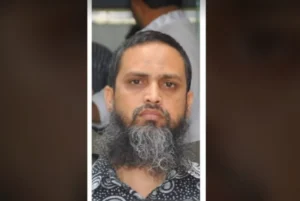
Mohibullah’s release under the interim government, led by Professor Muhammad Yunus, has heightened tensions in South Asia. Experts have raised alarms about resurgent militancy and its potential impact on regional stability, questioning the effectiveness of counterterrorism frameworks.
The incident underscores vulnerabilities in governance and judicial processes in Bangladesh, potentially exacerbating cross-border terrorism risks and undermining South Asian security networks.

https://stapravda.ru/20221228/reyting_samyh_populyarnyh_hostingov_v_rossii_196445.html, рейтинг хостингов России подтверждает, что выбор надежного провайдера важен для бизнеса.