
Staff Correspondent
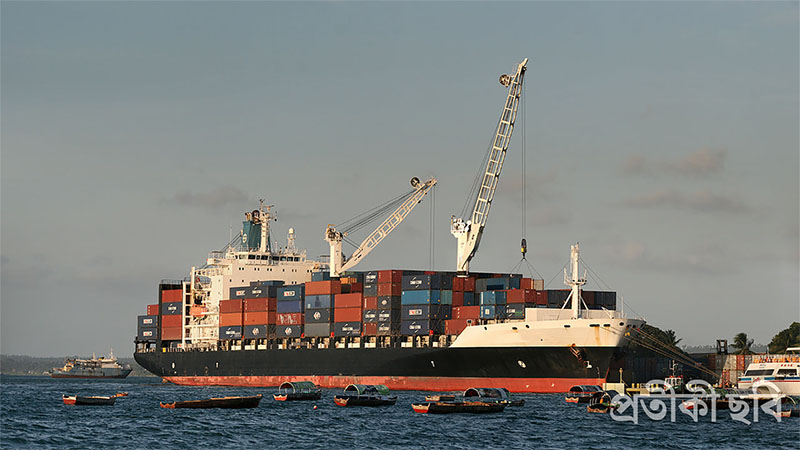
Bangladesh’s merchandise trade deficit widened significantly during the first 10 months of fiscal year 2025-26 (July-April). According to the latest data from the Bangladesh Bank, the trade deficit reached $22.21 billion during the period, up nearly 22 percent from the same period of the previous fiscal year. In July-April of FY2024-25, the merchandise trade deficit stood at $18.23 billion.
The figures were disclosed in the central bank’s updated Balance of Payments (BoP) report released on Monday.
Imports Rise, Exports Decline
According to Bangladesh Bank data, merchandise imports totaled $58.22 billion during July-April of the current fiscal year, representing a 6.2 percent increase from the same period a year earlier. Imports during the first 10 months of FY2024-25 amounted to $54.80 billion.
Meanwhile, export earnings totaled $36 billion during the period, a decline of 1.5 percent compared with the corresponding period of the previous fiscal year.
The widening gap between imports and exports contributed to the increase in the merchandise trade deficit.
Industry stakeholders say Bangladesh is facing a growing trade imbalance as imports continue to outpace exports, while elevated global prices for fuel and various commodities have added pressure. Higher spending on raw material imports has also contributed to the widening deficit.
Current Account Remains Slightly in Deficit
A current account surplus generally indicates that a country can finance its regular external transactions without borrowing, whereas a deficit requires financing through debt or other inflows. For developing economies, a current account surplus is typically considered favorable.
According to Bangladesh Bank, the country’s current account balance remained slightly negative, with a deficit of $1.07 billion at the end of April in the current fiscal year.
However, this represented an improvement from the same period of the previous fiscal year, when the current account deficit stood at $1.64 billion.
Overall Balance Turns Positive
The overall balance of payments position showed a more encouraging picture.
During the July-April period of FY2025-26, the overall balance recorded a surplus of $3.74 billion. In contrast, the same indicator showed a deficit of $650 million during the corresponding period of the previous fiscal year.
Strong Growth in Remittances
Remittance inflows continued to perform strongly.
During the first 10 months of the current fiscal year, Bangladeshi expatriates sent home $29.32 billion in remittances, compared with $24.53 billion during the same period of FY2024-25.
As a result, remittance growth stood at 19.5 percent year-on-year.
FDI Declines, Portfolio Investment Remains Negative
Bangladesh experienced a decline in foreign direct investment (FDI) during the period.
FDI inflows amounted to $1.14 billion during July-April of FY2025-26, down from $1.43 billion during the same period of the previous fiscal year.
The situation was more negative in portfolio investment, which primarily reflects foreign investment in the stock market.
During the first 10 months of the current fiscal year, foreign investors withdrew a net $132 million more than they invested in the market. The same indicator was also negative during the corresponding period of the previous fiscal year, when net portfolio investment stood at negative $124 million.
Overall, analysts say the widening trade deficit has created fresh concerns for the economy. However, strong growth in remittance inflows and the positive overall balance of payments position provide some grounds for optimism.

https://stapravda.ru/20221228/reyting_samyh_populyarnyh_hostingov_v_rossii_196445.html, рейтинг хостингов России подтверждает, что выбор надежного провайдера важен для бизнеса.