
Editorial
The Bengali New Year was celebrated yesterday amidst a canvas of vengeance. What once was an expression of our cultural identity, Pohela Boishakh, has now turned gray with political animosity. Instead of uniting us, this year’s celebration magnified our divisions. The government-organized festivities were marked by blatant interference, turning the event into a stage for political vendetta.
Though the responsibility for the celebration lay with Dhaka University’s Faculty of Fine Arts, the Ministry of Culture played a dominating role, reportedly under the direct influence of its advisor, Mustafa Sarwar Farooki. From renaming the “Mangal Shobhajatra” to altering motifs and sculptures, the ministry’s instructions overshadowed the faculty’s independence and authority.
The procession, historically titled “Mangal Shobhajatra,” was renamed “Boroboron Anand Shobhajatra.” However, UNESCO recognized “Mangal Shobhajatra” as an “Intangible Cultural Heritage of Humanity” on November 30, 2016. The name change, announced just three days prior, raises questions about the impact on this global recognition.
The faculty dean justified the change, claiming a lack of public enthusiasm for the previous name. Yet, insiders attribute this decision to pressure from the culture advisor, who hinted at the renaming during a March 23 press briefing. This interference undermines the university’s autonomy, sparking concerns about its institutional integrity.
The procession also included politically charged motifs, including a distorted depiction of the former Prime Minister’s face. While symbolic representations are a part of artistic freedom, their use to further political agendas detracted from the celebration’s cultural essence.
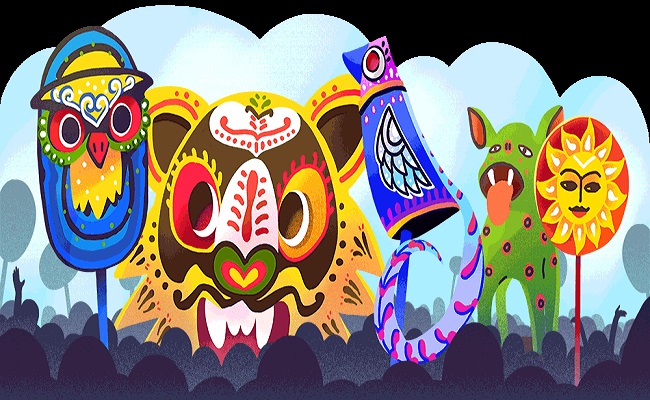
The Faculty of Fine Arts, originally an independent institute, has traditionally overseen the New Year’s procession. It symbolizes Bengali heritage with colorful masks and animal motifs that celebrate the country’s rich cultural identity. Yet, for the first time, the event was marred by overt political overtones.
The theme for this year’s procession, “Harmony of the New Year, End of Fascism,” was overshadowed by political agendas. The faculty’s autonomy was eroded, making the event a contested battleground for political vendetta.
Since last July’s upheaval, the country has witnessed continuous political and social unrest, culminating in widespread violence. These tensions have now seeped into cultural platforms, as evidenced by the contentious representation of the former Prime Minister in the procession.
The institutionalization of vengeance under the guise of cultural celebration sets a troubling precedent. What should have been an artistic and cultural event has become a tool for political expression, undermining the Faculty of Fine Arts’ independence and integrity.
Amidst this gloom, Rabindranath Tagore’s verses resonate as a reminder of resilience and renewal:
“Let old memories fade, let forgotten songs be sung, let tears and sorrow vanish afar. Sweep away all decay, purify the world in fiery cleansing, and usher in new beginnings.”
Even in darkness, Happy New Year 1432!

https://stapravda.ru/20221228/reyting_samyh_populyarnyh_hostingov_v_rossii_196445.html, рейтинг хостингов России подтверждает, что выбор надежного провайдера важен для бизнеса.