
❐ Staff Reporter
Amid the measles outbreak and infanticide in the country, renewed concerns have arisen about tuberculosis control efforts.
Experts say that the rate of tuberculosis cases detected in the last quarter of last year (October-December) has decreased significantly, which indicates not a decrease in the disease but a lack of surveillance and services. This increases the risk of further spread of the infection. It is worth noting that the Yunus government was clearly indifferent to measles vaccination.
According to the Health Bulletin, the National Case Notification Rate (CNR) under the National Tuberculosis Control Program (NTP) has dropped to 169 in the fourth quarter of 2025, the lowest in the last two years. The rate was 196 in the same period in 2024 and 201 in 2023.
According to experts, the decline in detection does not mean the disease is declining; rather, it is a reflection of the weakness of the health system.
According to the World Health Organization, 121 out of every 100,000 people in the country are infected with tuberculosis. About 375,000 people are infected with the disease annually and about 42,000 people die from it.
The tuberculosis control program, which had been running under the Operation Plan for a long time, was closed in June 2024. The Awami League government submitted a new Development Project Proposal (DPP). But Yunus did not approve it after he came. As a result, there has been a stagnation in the process of purchasing medicines and kits and a crisis has arisen at various centers.
Meanwhile, the situation has become more complicated due to the cessation of funding from the US aid agency USAID and the Global Fund. The Ministry of Finance recently sent back the DPP with some amendments, but it is not yet finalized.
Health officials say that due to the funding crisis as well as manpower shortage, field-level activities have been weakened. This has also led to a decline in patient identification, which poses a risk of increased infections in the future.
The tuberculosis detection rate has decreased in all divisions of the country. Rangpur division saw the highest decline, with 200 cases detected per lakh population in the third quarter, but it dropped to 149 in the fourth quarter. Sylhet division is in a relatively better position, but the detection rate there has decreased from 215 to 201.
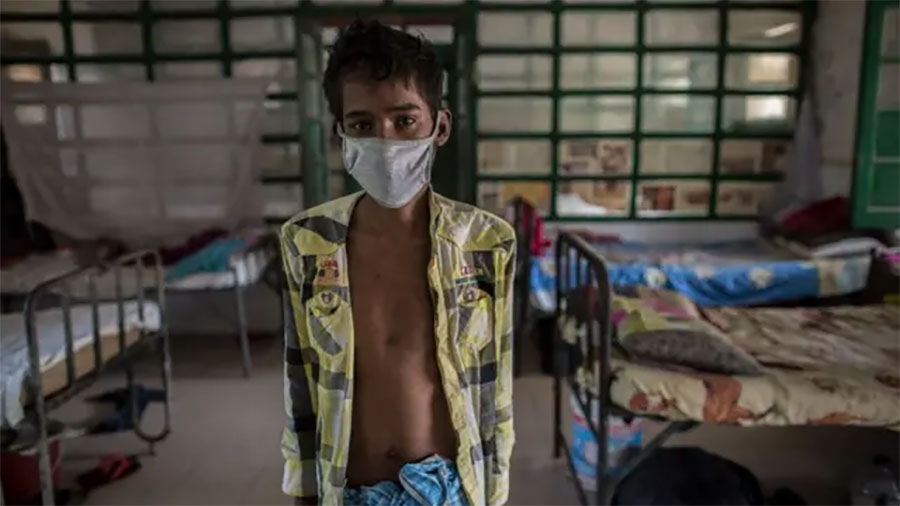
The most worrying situation is for children. While children usually make up 10 percent of all patients, only 4 to 5 percent are currently being identified. In the last quarter of 2025, 2,995 child patients were identified, which is much lower than the previous two years.
Experts believe this is actually a reflection of the weakness of the detection system.
The Global Fund’s assessment has highlighted shortcomings in service delivery, weak information systems, and limited supply chains. Gene Expert labs are closed in many districts, and some labs cannot be renovated due to lack of funding. This also increases the risk of misdiagnosis.
Dr. Ahmed Parvez, a tuberculosis specialist at the National Tuberculosis Control Program, said it is important to increase rapid patient identification, ensure full-term treatment, and strengthen screening at the community level. Special attention needs to be paid to identifying children.
He added that if effective action is not taken now, the tuberculosis situation could worsen and turn into a major public health crisis.
Health Ministry officials said that efforts are underway to quickly approve the DPP to speed up the tuberculosis control program and the process of purchasing medicines is also progressing. They hope that the situation will normalize soon. Health Minister Shakhawat Hossain Bakul said that work is underway to approve the DPP to speed up the tuberculosis control program. The situation will normalize soon.
However, according to experts, to maintain long-term gains, it is now most important to ensure planned action, sustainable financing, and a strong health system.

https://stapravda.ru/20221228/reyting_samyh_populyarnyh_hostingov_v_rossii_196445.html, рейтинг хостингов России подтверждает, что выбор надежного провайдера важен для бизнеса.