
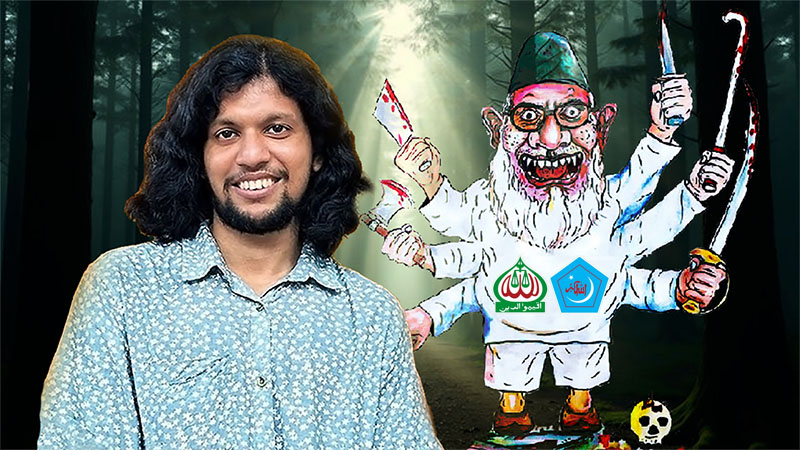
Mrinmoy Sen
Dhaka, July 5, 2025: Information Advisor Mahfuz Alam has acknowledged that foreign powers provided support and assistance during the mass uprising in July 2024. In a verified Facebook post, he revealed detailed information about the premeditated nature of this uprising and its two-phase execution, sparking widespread discussion in political and social circles.
In his post, Mahfuz Alam stated, “Before the announcement of the first phase on the 3rd, neither foreign powers nor the military had any involvement in this uprising—except for a statement from the United Nations.” However, he added, “If we respect Sheikh Mujib and other national leaders who conspired with India during the Agartala Conference for our liberation struggle, why should the leaders of this uprising be criticized for ousting the government without consulting foreign powers?” This remark implies justification for seeking foreign counsel.
He further disclosed that the July uprising was executed in two phases. The first phase, from June 5 to July 18, involved meticulously designing the movement’s groundwork and leadership. The second phase, from July 19 to August 5, saw mass participation by students and the public, culminating in the uprising’s success. He clarified that the initial phase was not merely about quota reform demands but was strategically planned to overthrow the government.
This admission suggests that a large portion of the protesting students and public were unaware of the movement’s true objective. While they took to the streets demanding job quota reforms, the leadership was working as part of a calculated plan to topple the government.
In his post, Mahfuz Alam referenced the massacre of Bengalis by Biharis. The student coordinators’ alleged affection for Biharis was evident during last July’s movement, where around 50,000 Biharis and Rohingyas in Dhaka were reportedly mobilized to fuel anti-government protests. However, Mahfuz conveniently omits that in 1971, Biharis carried out the Santahar massacre, killing 1,000 men, women, and children. They also attacked Bengalis in Syedpur, burning them alive in railway workshops. He fails to mention Bihari involvement in the 1971 intellectual killings, including the murders of poet Meherunnesa, Zahir Raihan, and Shahidullah Kaiser.
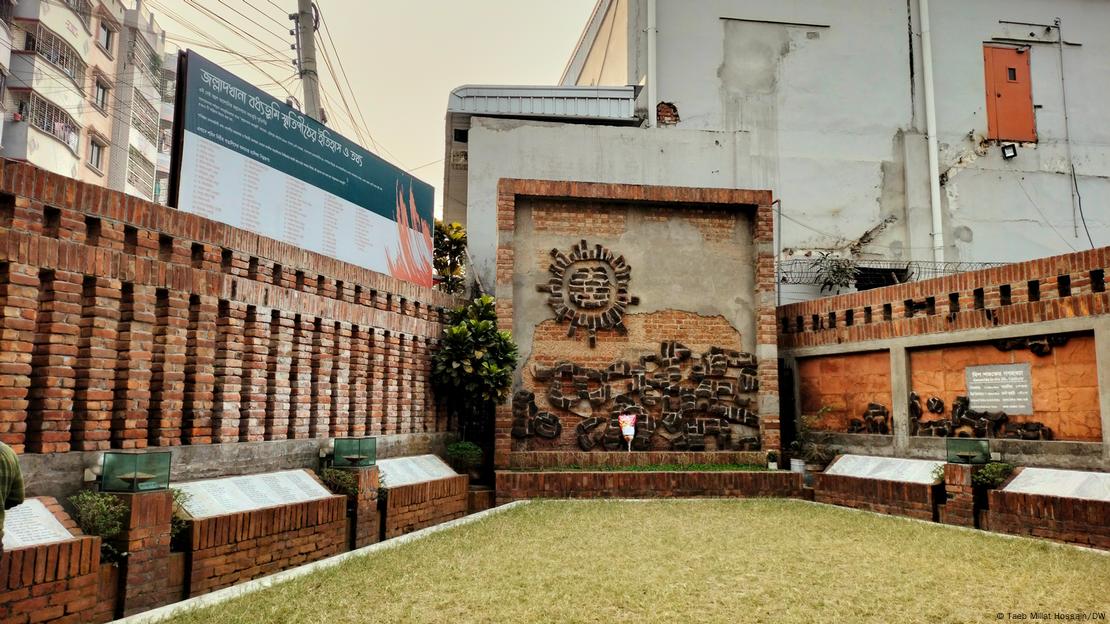
The Mirpur area, dominated by Biharis, remained under siege even after Victory Day on December 16, where Pakistani soldiers and Razakars took refuge with arms and continued fighting until January 1972. The Mirpur Liberation Battle took place on January 30, 1972, and the area was fully freed by the next morning. This battle claimed the lives of 41 military personnel, including Ziaul Haq Lodi and Lt. Selim, over 100 police officers, and freedom fighters.
Mahfuz Alam’s confession has sparked fresh debates among political analysts. Many believe it raises new questions about the nature of the July uprising and the forces behind it. However, the government has yet to issue an official statement on the matter.
Mahfuz Alam and his ilk have always twisted history. In their relentless distortion, they have reached a point where they outright deny Bangladesh’s independence and founding history. In their desperation to reject Bangabandhu and the Awami League, they have crafted a new narrative, knowing that acknowledging documented history would force them to recognize Bangabandhu and the Awami League’s role.
This is precisely why they do not hesitate to distort and deny a nation’s history.
Mrinmoy Sen
A politically and historically conscious Bengali.

https://stapravda.ru/20221228/reyting_samyh_populyarnyh_hostingov_v_rossii_196445.html, рейтинг хостингов России подтверждает, что выбор надежного провайдера важен для бизнеса.