
Staff Correspondent
Recent geopolitical tensions in the Middle East have created new uncertainties for Bangladesh’s exports. While the garment sector is struggling to manage cost pressures and delivery deadlines amid sluggish demand in the US and Europe, disruptions to Gulf airspace and transit systems are putting additional pressure on the industry.
According to the Export Promotion Bureau (EPB), Bangladesh’s exports to Arab countries are relatively small—about 2 percent of the total. However, a sector-wise analysis shows that ready-made garments have the largest share in this market. In addition, some air shipments to Europe and North America are also handled through Dubai-based transit systems. As a result, the Middle East is not a direct market, but an important part of the supply chain indirectly.
Delivery by air is uncertain.
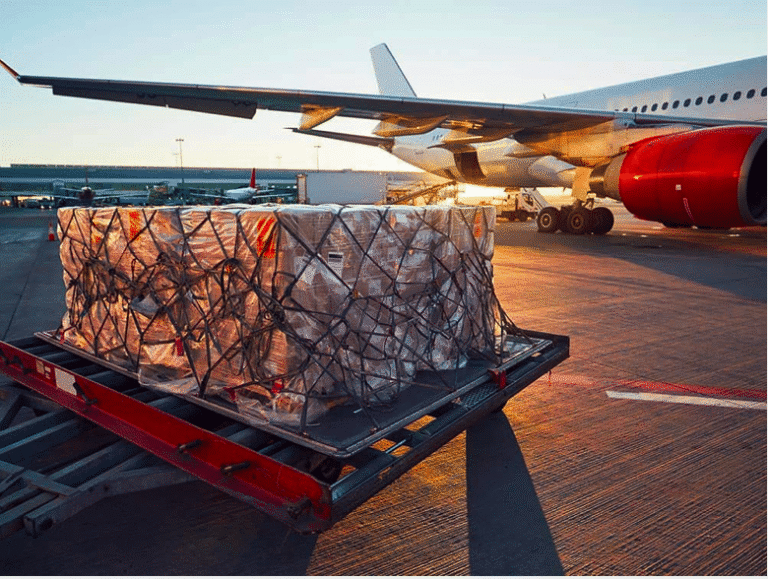
Industry sources say flights on several international routes have been rescheduled or restricted due to the avoidance of Gulf airspace, creating uncertainty for high-value and time-sensitive garment shipments—which typically go by air cargo.
Several exporters said that even a few days’ delay in fast delivery contracts can affect customer relationships and future orders. Time is of the essence, especially for ‘fast fashion’ brands. If the product arrives outside the agreed time, there is a risk of discounting or cancelling the order.
Some buyers, such as Spain-based global retail group Inditex, partially ship goods from Bangladesh by air cargo. According to industry insiders, disruptions to transit through the Middle East mean these shipments have to be routed through alternative routes, which increases both costs and time.
Increased pressure on the cost structure
According to exporters, operating flights on alternative routes increases fuel costs and insurance premiums. This has a direct impact on freight rates. There have already been indications of some airlines adjusting cargo charges. Industrialists fear that if the situation continues for a long time, small and medium factories will be under more pressure.
Apparel entrepreneurs say competition in the global market is fierce. Bangladeshi exporters could be at risk of losing orders if rival countries like Vietnam, Cambodia or Turkey quickly adopt alternative logistics arrangements.
Sea routes are normal for now, but there are concerns
Shipping agents say there are no immediate major disruptions to shipping routes. However, prolonged uncertainty around the Strait of Hormuz, at the mouth of the Persian Gulf, could disrupt global shipping and oil markets, leading to container shortages and congestion at transshipment hubs, which could ultimately increase shipping times.
According to industry analysts, while most ready-made garment shipments go by sea, air cargo is important for ‘rush orders’ or seasonal procurement. Therefore, a prolonged crisis in air transport could create imbalances in the entire supply chain.
Urgent call for policy coordination
Industry stakeholders say it is essential to identify alternative transit hubs, increase regional air cargo capacity, and coordinate public-private partnerships to provide logistical support on an emergency basis. They also recommend strengthening communication with buyers to inform them of potential delays in advance.
While the Middle East is not a major market in the current context, the region’s instability as a hub of global connectivity poses significant risks to Bangladesh’s garment exports. If the situation does not normalize quickly, the impact on export earnings could become apparent in the last quarter of the current fiscal year.

https://stapravda.ru/20221228/reyting_samyh_populyarnyh_hostingov_v_rossii_196445.html, рейтинг хостингов России подтверждает, что выбор надежного провайдера важен для бизнеса.