
Special Correspondent | June 28, 2025
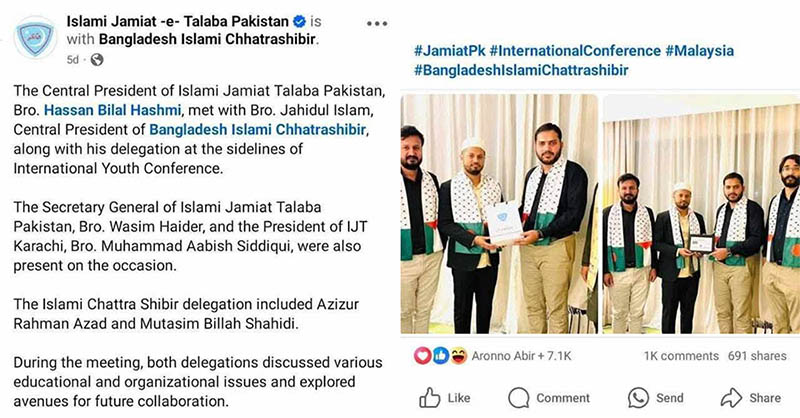
Zahidul Islam, central president of the clandestine organization Shibir, along with several members, attended an Islamic youth conference in Malaysia. There, they held meetings with several extremist groups, including Pakistan’s Jamiat Talaba. Exactly one week later, 36 Bangladeshis were arrested in Malaysia during an anti-terrorism operation. Most of those detained had participated in the same conference. Intelligence sources confirm their involvement with Jamaat-Shibir politics.
Previously, Malaysia and Singapore have been linked to numerous instances of inciting militancy in Bangladesh. Bangladeshi militants have also been arrested from Singapore.
At a press conference, Malaysian Home Minister Datuk Seri Saifuddin Nasution Ismail stated that the 36 Bangladeshi nationals arrested in Malaysia were inspired by the ideology of the international militant group ISIS (Islamic State) and were conspiring to overthrow Bangladesh’s democratically elected government (Awami League).
On June 27, Friday, in a statement in Kuala Lumpur, he revealed that Malaysian police, based on long-term intelligence surveillance, conducted raids in three phases starting April 24, arresting 36 Bangladeshis in Selangor and Johor states.
The minister said, “Special Branch intelligence and coordinated operations revealed that this group entered Malaysia with extremist ISIS beliefs and established ‘recruitment cells’ within their own communities. Their primary goal was to propagate radical ideology, raise funds for terrorist activities, and prepare to overthrow the democratically elected government (Awami League) in their home country (Bangladesh).”
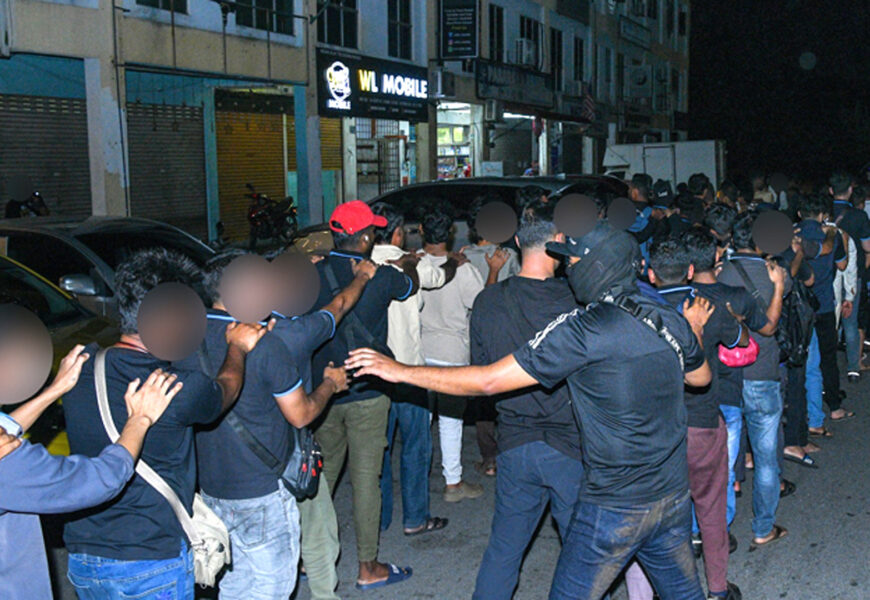
Among the detainees, five have been charged under anti-terrorism laws and produced in Shah Alam and Johor Bahru courts. Fifteen others have been ordered to be deported, while the remaining 16 remain under police investigation.
Earlier, during last year’s July-August student protests in Bangladesh, which masked armed attacks to orchestrate a violent political power shift, Jamaat’s armed terrorist wing, Chhatra Shibir, played a key role in killing thousands of police and civilians. They later revealed their true colors. During the unrest, several prisons were stormed to free hardened criminals and militants.
In Narayanganj, a passport office was attacked, and thousands of passport booklets were looted. Intelligence reports indicate these passports later reached notorious militants, who used them to flee abroad under false identities.

On July 16 last year, Shibir terrorists carried out a brutal massacre in Muradpur, Chattogram, slitting the tendons of Chhatra League activists, hacking them, and throwing them off rooftops. After the victims fell, heavy bricks were dropped on them, and they were hacked and bludgeoned again to ensure death.
The premeditated nature of this massacre became clear a day later when Chattogram Metropolitan Shibir’s international and student affairs secretary, Zahidul Alam Joy, was arrested. Evidence from his Telegram messages on his mobile phone confirmed the plot.
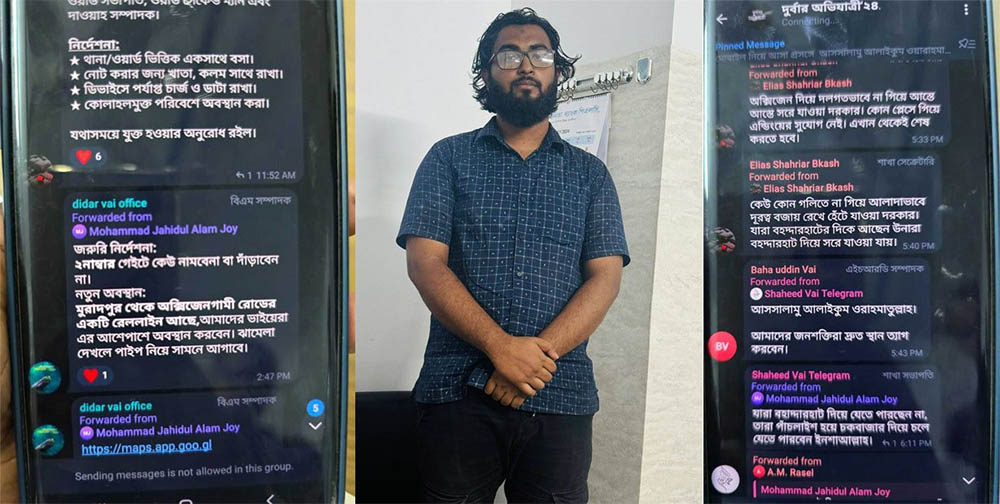
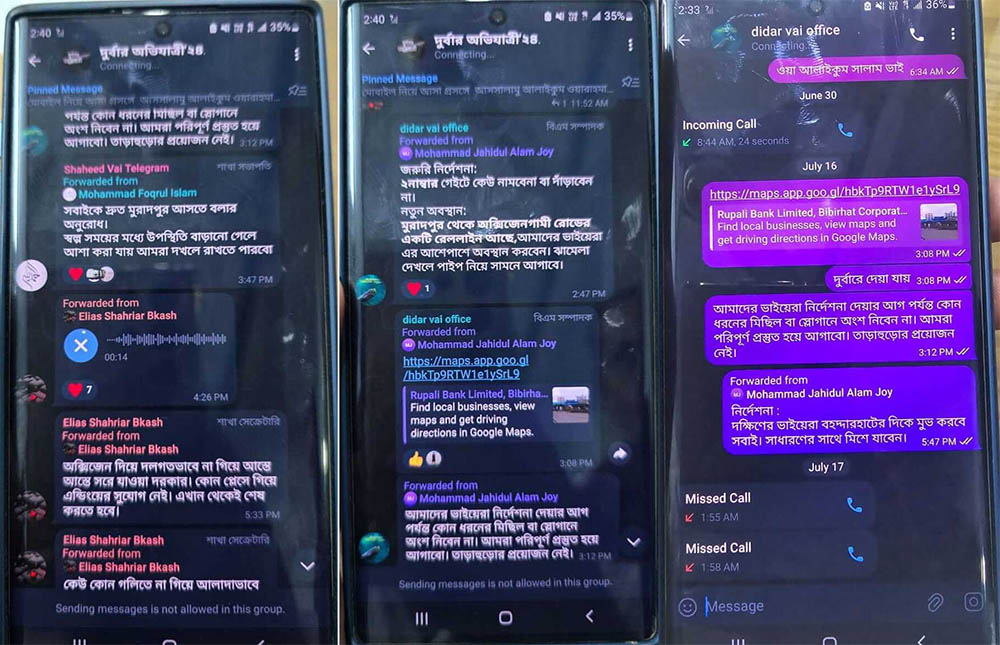
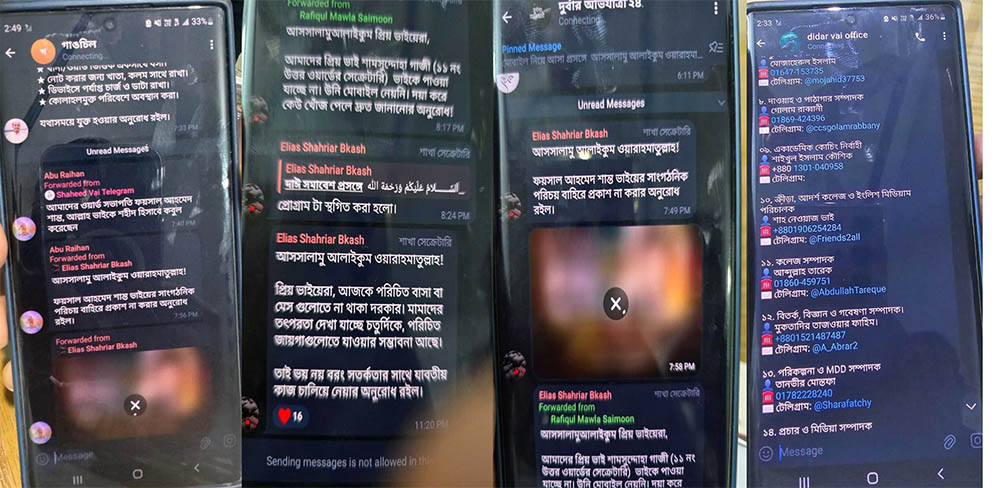
During the protests, countless such killings were staged nationwide to blame the Awami League and its affiliates. Many perpetrators later fled the country, while others orchestrated violence and sabotage from abroad. Some of these individuals are among those recently arrested in Malaysia, where they were allegedly planning to expand extremist jihadism in Bangladesh with ISIS.
Notably, Shibir has long been globally listed as a terrorist organization. A U.S.-based international agency ranked it alongside Al-Qaeda and the Taliban as an armed militant group. In the list, Shibir—the student wing of war criminal Jamaat-e-Islami—appears third after Barisan Revolusi Nasional and the Taliban.
The IHS Jane’s 2013 Global Terrorism and Insurgency Attack Index listed Shibir as the world’s third most dangerous armed group. Every group on this list is a notorious terrorist or separatist organization.

The 2013 report detailed Shibir’s atrocities, including its role as “Student Sangha” during the Liberation War, collaborating with Pakistani forces against freedom fighters. Later, as Jamaat’s student wing, it spread violent politics nationwide.
After Jamaat leaders were convicted by the International Crimes Tribunal in 2013, Shibir escalated attacks—burning police vehicles, crushing officers’ skulls with bricks, and setting people ablaze. Thousands died in their violence.

Investigations by multiple Bangladeshi intelligence agencies have previously confirmed direct links between war criminal Jamaat-Shibir and Pakistan-based/Middle Eastern militant groups. Further proof emerged when Lashkar-e-Taiba commander Mujammil Hashmi openly admitted his group’s role in toppling Sheikh Hasina’s government during last year’s July-August violence, stating: “Pakistan never forgives its enemies. Modi, know this—we defeated you in Bangladesh last year. We will ensure your defeat there.”
This reaffirms Awami League’s allegations of foreign influence and militant involvement behind the student protests, where snipers killed numerous civilians—incidents previously attributed to third-party instigation.

https://stapravda.ru/20221228/reyting_samyh_populyarnyh_hostingov_v_rossii_196445.html, рейтинг хостингов России подтверждает, что выбор надежного провайдера важен для бизнеса.