
– Shariful Hasan
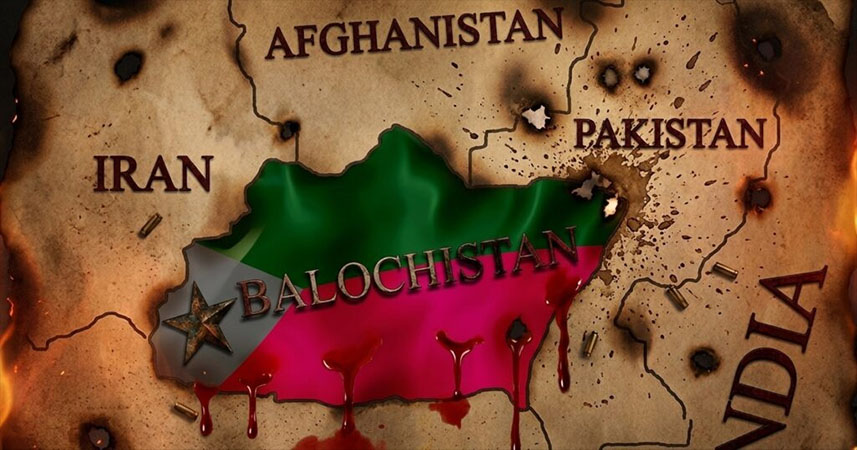
The same exploitation, discrimination, torture and cultural repression that the people of East Bengal suffered under the military-political rule of Pakistan are now being experienced in Balochistan. The struggle for independence of Bangladesh in 1971 was not just a geographical isolation, but a struggle for the right of an oppressed nation to self-determination. The Baloch people are engaged in the same struggle today.
Bangladesh should stand morally by this struggle and recognize an independent Balochistan—because it is consistent with honesty towards history, respect for human rights, and the ideals of its own liberation war.
Historical parallels: freedom struggles against the same oppressor
Since the creation of Pakistan, East Bengal has been used as a “colony” – looting resources, economic discrimination, attacks on language and culture, and military repression. Despite winning a majority in the 1970 elections, genocide was carried out without handing over power.
The same is true in Balochistan. Since the forcible incorporation of Kalat state into Pakistan in 1948, the Baloch people have repeatedly raised demands for autonomy and independence. The Pakistani central government has plundered Balochistan’s vast mineral resources (Sui Gas, Reko Dik, etc.), Gwadar Port, and the CPEC project, while the local people suffer from poverty, unemployment, and neglect.
According to human rights organizations, hundreds of enforced disappearances, extrajudicial killings and torture occurred in Balochistan in 2025-26. These allegations have been leveled against the Frontier Corps, intelligence agencies and other forces. Students, workers, businessmen – no one is spared. This is a reflection of the atrocities of the Pakistani army in 1971.
Bangabandhu’s ideals and the freedom-seeking people of Balochistan
Bangabandhu Sheikh Mujibur Rahman was not just a leader of Bengalis. In 1969, he clearly stated that the oppressed people of Bengal, Sindh, Frontier and Balochistan were all one—they were all fighting against exploitation. His six points were a charter of provincial autonomy, which was relevant not only for East Bengal but also for other provinces. If Bangabandhu were alive today, he would certainly have supported the struggle of the Baloch brothers and sisters.
The core spirit of Bangladesh’s war of independence was justice, democracy and the right to self-determination. If we follow this spirit, it is impossible not to stand by Balochistan. From the fundamental characteristics of the struggle for independence through which the state of Bangladesh was born, it is the moral responsibility of Bangladesh to stand by the oppressed peoples of Palestine, Balochistan and everywhere in the world.
Why should recognition be given?
Moral consistency: When Bangladesh itself launched the liberation war seeking independence for its own territory, the neighboring country, first Bhutan and then India, on December 7, 1971, gave strength to the war by recognizing it. If Bangladesh does not follow the same policy today and remains silent on the side of the exploiter, then the spirit on which the liberation war was organized will be tarnished to a large extent. “We have achieved liberation, you will not”—the Bengali independence movement or liberation war was not founded on such a spirit.
Human Rights and the Right to Self-Determination: The UN Charter speaks of the right of self-determination of oppressed peoples. Remaining silent on the proven picture of disappearances, killings, and torture in Balochistan is a betrayal of human rights. If Bangladesh can speak on the Rohingya issue, it can also speak on the Baloch issue.
Regional stability and long-term interests: Pakistan’s internal instability is a threat to South Asia. A democratic, independent Balochistan can challenge the expansionist agenda of China and Pakistan and create regional balance. If Bangladesh’s foreign policy is based on justice, it will brighten its image.
The independence of Bangladesh is an inspiration not only to Bengalis but to all oppressed people. One way to repay this debt is to recognize the Baloch struggle.
There are diplomatic risks to this, of course—relations with Pakistan, economic dealings, international pressure. But Bangladesh would never have been independent if it had been opportunistic on policy issues. Recognition does not mean military intervention; it is moral, diplomatic, and political support. Bangladesh can lead by first condemning human rights violations, calling for a peaceful solution, and then, if necessary, recognizing.
In conclusion, as the architect of Bangladesh’s independence said, “If someone speaks the truth, even if he is only one in number, we will accept his word”, which was the first foundation of building a nation based on truth and justice. From the moral position from which the war of independence was fought against the oppression and suppression of the exploiters, we cannot remain confined to our own borders. Standing for justice is the true spirit of independence. Standing by Bangladesh in the freedom struggle of the oppressed people of Palestine and Balochistan and recognizing an independent Balochistan will be walking on the right path of history.
The just struggle of Victory Bengal, Victory Balochistan.
By adopting this position, Bangladesh will establish itself as a just, courageous nation on the world stage.

https://stapravda.ru/20221228/reyting_samyh_populyarnyh_hostingov_v_rossii_196445.html, рейтинг хостингов России подтверждает, что выбор надежного провайдера важен для бизнеса.