
Staff Reporter
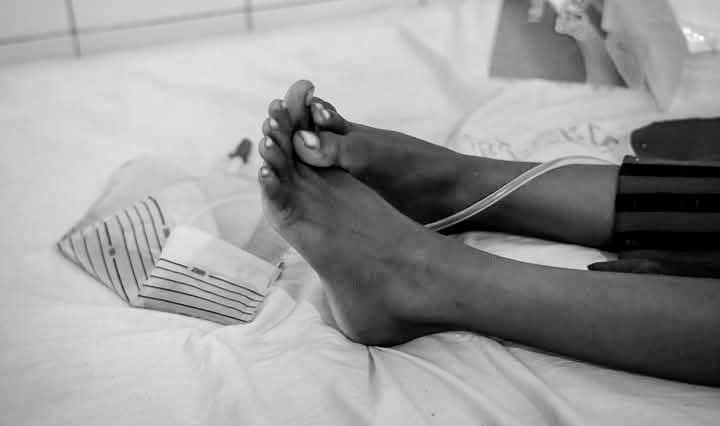
The death of Ashiya has reignited tensions across the country. Her family wanted to bid her a final farewell through a janja prayer at the Shaheed Minar, but the government denied permission. Instead, the decision was made to transport Ashiya’s body to her village home via an army helicopter. This move has sparked criticism, as it denies the public the opportunity to see her one last time.
A nurse, who wished to remain anonymous, claimed that Ashiya had actually passed away much earlier, but the government concealed this information. If true, this raises serious questions—why did the government hide this fact from the public? Do citizens no longer have the right to know the truth?
Before the news of Ashiya’s death was officially announced on the army’s Facebook page, the government issued an order banning all gatherings and assemblies in Dhaka. Many see this as an infringement on citizens’ fundamental rights. Was the right to assemble only valid until August 5? Do we no longer have any rights? Critics are questioning what fears lie behind the government’s sudden strictness.
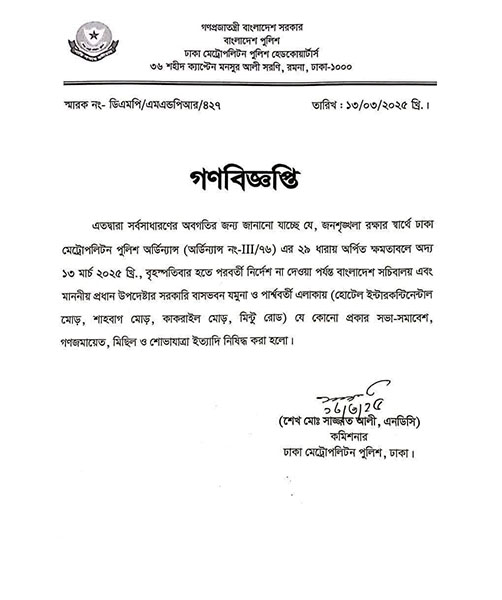
During the mass uprising in July, the then-government did not impose such bans on gatherings. So why this sudden harshness now? Has the definition of democracy changed? Many are criticizing this situation as a reflection of the so-called “Freedom 2.0” under the new regime.
Ashiya’s death and the subsequent events have fueled growing anxiety and anger among the public. The government’s secrecy and stringent control measures have cast a shadow over the country’s democratic values. The people are now left waiting—when will the truth come out, and when will they regain their lost rights?

https://stapravda.ru/20221228/reyting_samyh_populyarnyh_hostingov_v_rossii_196445.html, рейтинг хостингов России подтверждает, что выбор надежного провайдера важен для бизнеса.