
Special Correspondent
According to reports published in the country’s leading media outlets, extremists in a village in Noakhali publicly flogged the bride’s parents and exacted a fine of Tk 50,000 from them for allegedly using a microphone at a wedding ceremony. Locals said that an influential local religious group carried out such an illegal punishment completely outside its jurisdiction.
This is not the only incident; it is now the latest addition to the growing attack on music and culture in Bangladesh.
What has happened in the last three months is like a silent campaign to ban music, one step at a time:
In September, the recruitment of music teachers in primary schools across the country was canceled due to threats from religious extremist groups. The authorities’ justification for the cancellation was: “religious sensitivity.”
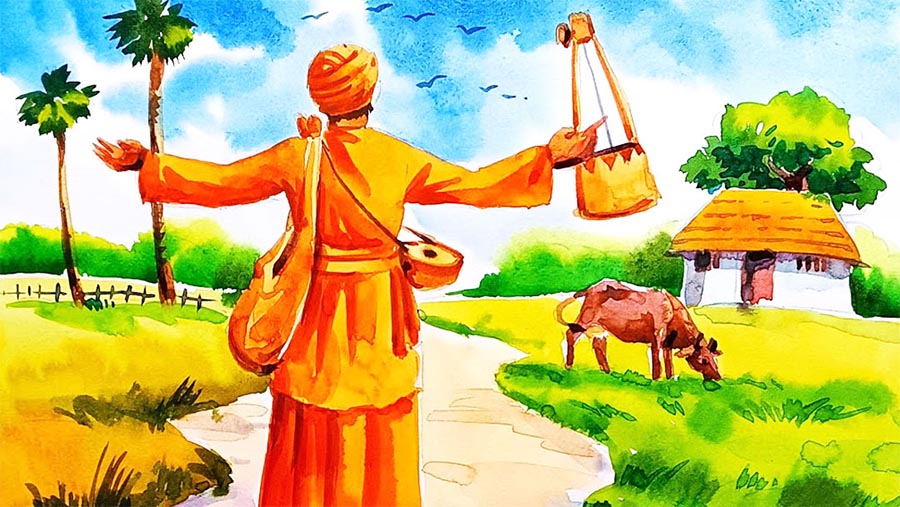
In October, two Baul artists were attacked in Sylhet. One had his flute broken, while the other was beaten and left bleeding.
In the first week of November, a series of concerts were canceled at a leading concert venue in Chittagong due to threats. The latest was a joint concert by Artcell, LRB, and Nemesis. At the same time, a live performance by a local band was going on at a hotel in Cox’s Bazar; the power was suddenly cut off and the artists were forced to leave under threat.
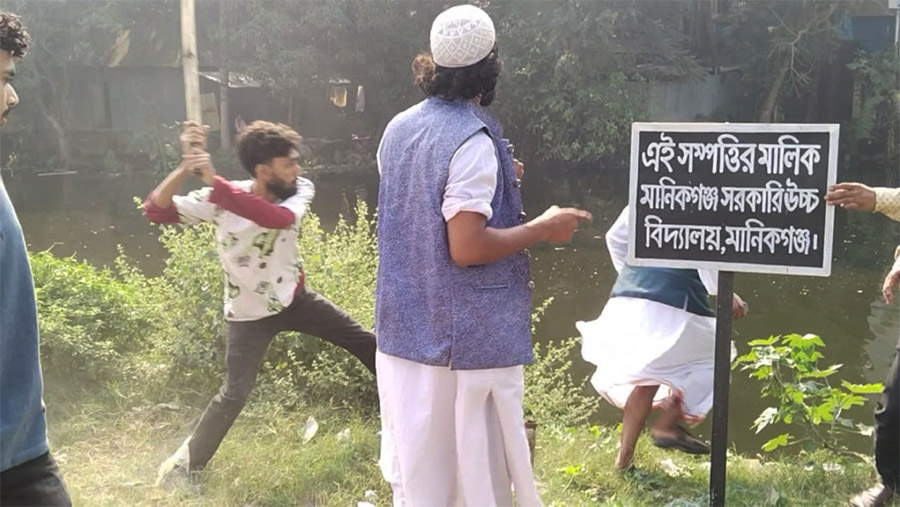
A Baul artist has been arrested in Manikganj on charges of insulting religion, and in response to that incident, extremist religious groups have beaten up Bauls in Thakurgaon and Manikganj and forced them to leave the area.
When these events are seen together, the question arises—are they just isolated incidents, or part of a well-organized plan?
Cultural activist and researcher Dr. Syed Jamil Ahmed said, “The way music is being attacked is not just against entertainment; it is also an attack on the pluralistic cultural identity of Bangladesh. Baul, Lalon, Rabindra Sangeet, band music—all these are part of the spirit of our liberation war. If these are banned one by one, then where are we going?”
There has been no clear statement from the government yet. The Yunus administration is promoting the Lalon festival as their position.
A senior official from the Home Ministry, speaking on condition of anonymity, said, “We are monitoring the situation. But many of those who are doing this locally have connections with some sections of the political and administrative establishment—that is the problem.”

After the killing of bloggers and writers, attacks on temples, attacks on Mazar Khanka Sharif and Sufis, and attacks on the Ahmadiyya community in Bangladesh over the past decade, this time attacks on music and culture have led many to fear that the country is slowly walking the path that Afghanistan or parts of Pakistan once took.
Baul artist Shafi Mondal, who was recently attacked, said, “Lalon said, ‘Above all, man is truth, there is no one above him.’ Have those who want to stop singing today become something greater than humans?”
The question remains – Article 41 of our constitution provides for religious freedom, but where is cultural freedom? If playing microphones at weddings is a crime, if teaching music in schools is banned, if the unity of the Bauls is broken, then how long will it take to call Bangladesh a ‘fundamentalist state’?
If this silence is not broken, then perhaps very soon no one will be able to play our national anthem without ‘permission’.

https://stapravda.ru/20221228/reyting_samyh_populyarnyh_hostingov_v_rossii_196445.html, рейтинг хостингов России подтверждает, что выбор надежного провайдера важен для бизнеса.