
Editorial
The United Nations has finally spoken out about the human rights situation in Bangladesh—a positive step, no doubt. UN High Commissioner for Human Rights Volker Turk has called for the safety of journalists and justice for the disappearances. This at least suggests that the international community is now beginning to pay attention to the reality of Bangladesh. But the question remains—do these statements reveal the true depth of the country’s horrific human rights disaster? The answer is sadly “no.”
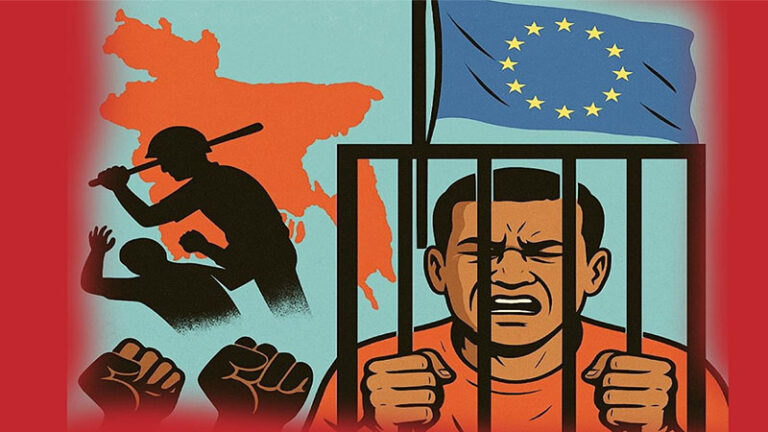
The picture of political violence and humanitarian catastrophe that has emerged in Bangladesh since August 2024 is, in a word, horrific. Hundreds of Awami League supporters have been killed; extrajudicial killings, mass beatings, and political imprisonment have created an anarchic situation in the country. Not only that, but in 14 months, nearly 1,500 sculptures and cultural installations have been destroyed, more than 2,000 minorities have been tortured, and rivers have become a home to dead bodies. Women have been raped, lawyers have been imprisoned, and many ordinary people have been imprisoned simply for their political identities.
What is most worrying in this horrific reality is the government’s culture of silence and impunity. Those who have committed murder, torture, and destruction have often remained outside the reach of the law; rather, the government has opened a legal umbrella to protect them. This invisible patronage of the Yunus government is not only emboldening criminals, but is also pushing the rule of law itself to the brink of destruction.
While the UN statement mentions the persecution of journalists, it is missing the full picture of the ongoing repression of political activists, human rights defenders, minorities and ordinary citizens. Yet in today’s Bangladesh, the suppression of dissent, arbitrary arrests, torture, extrajudicial killings and political persecution have reached a level that is a direct violation of international human rights standards.
This culture of impunity legitimizes state violence. Extremist and partisan groups openly attack political opponents and minorities, while the government fails—or deliberately fails—to provide justice. This failure is not just a human rights crisis; it also weakens the moral foundation of the state.
International human rights organizations—such as Human Rights Watch and Amnesty International—have repeatedly reported that arbitrary arrests, detention without charge, and delays in trials have become the norm in Bangladesh. Yet the international response has been limited and hesitant.
The people of Bangladesh today face a fundamental question—will the international community stand by them on the issue of human rights and justice, or will it remain silent due to political considerations and diplomatic interests?
It is time for global human rights organizations, including the United Nations, to take impartial and courageous action. They must rise above political bias or diplomatic etiquette and take effective initiatives to protect the fundamental rights of the citizens of Bangladesh. Otherwise, this silence will be marked in history as an inexcusable silence against justice.

https://stapravda.ru/20221228/reyting_samyh_populyarnyh_hostingov_v_rossii_196445.html, рейтинг хостингов России подтверждает, что выбор надежного провайдера важен для бизнеса.