
Staff Reporter
Finance Adviser Salehuddin Ahmed has presented a budget of Tk 7.90 lakh crore for the 2025-26 fiscal year. However, questions arise about whether this budget—crafted with high expenditure and weak revenue collection plans—is realistic or just political wishful thinking.
During Thursday’s budget speech in parliament, Salehuddin Ahmed revealed that the revenue collection target for the new fiscal year is set at Tk 5.64 lakh crore. This leaves a budget deficit of Tk 2.26 lakh crore—one of the highest in Bangladesh’s history. Nearly half of this deficit (Tk 1.01 lakh crore) will be covered by foreign loans and aid.
Experts express reasonable concerns about implementing such an ambitious budget amid shrinking foreign reserves, stagnant domestic investment, and political uncertainty.
A significant portion of government spending is allocated to interest payments (Tk 1.22 lakh crore). Proposed allocations include Tk 97,000 crore for salaries and allowances, Tk 1.16 lakh crore for power and fertilizer subsidies, and Tk 1.20 lakh crore for social safety nets.
Some economists argue, “Without structural reforms in revenue collection, the government is merely increasing expenditures. Continuing this trend will eventually shift the burden of deficit management onto taxpayers through higher taxes.”
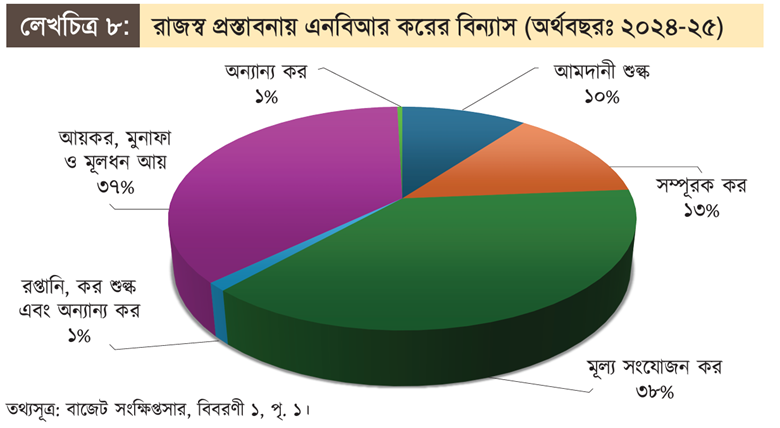
Doubts also surround the National Board of Revenue’s (NBR) Tk 4.99 lakh crore revenue target, given past shortfalls in both planning and implementation.
Meanwhile, while the Annual Development Programme (ADP) allocation stands at Tk 2.30 lakh crore, its implementation track record remains poor. Year-end budget cuts and project delays have become routine.
The pressing question now is whether this is a bold crisis-time budget or merely a loan-dependent declaration fueled by overconfidence.

https://stapravda.ru/20221228/reyting_samyh_populyarnyh_hostingov_v_rossii_196445.html, рейтинг хостингов России подтверждает, что выбор надежного провайдера важен для бизнеса.