
Staff Correspondent. Dhaka, August 5, 2025.
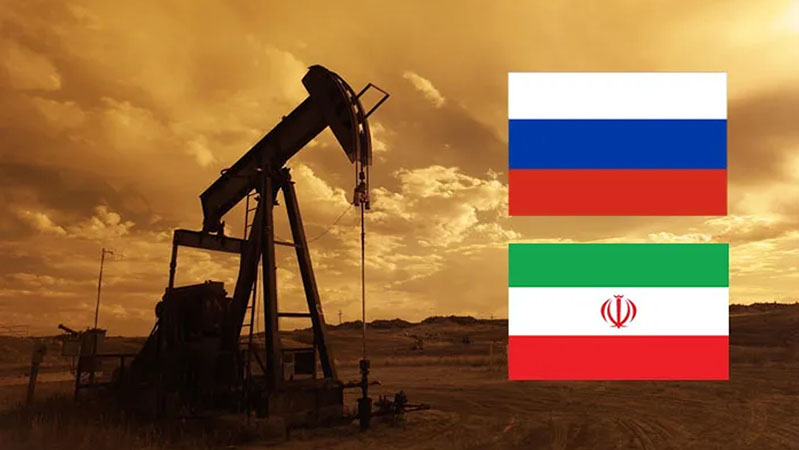
China recently announced that it will not stop importing oil from Russia and Iran. In the wake of this announcement, there are indications in the back channel that Brazil and India will also stick to their position. Meanwhile, US President Donald Trump has threatened to impose high tariffs on Russian oil-buying countries through secondary sanctions after August 8. However, questions are being raised about the effectiveness of these sanctions. This ban could further weaken the impact of US tariff policy and create new dynamics in the global oil market.
Countries like China, India, and Brazil are dependent on Russian and Iranian oil. China imported 80-90% of Iran’s oil exports in 2024, which is more than 1 million barrels per day. In addition, China is importing more than 1.3 million barrels of oil per day from Russia, which is 20% more than in the past few months. India is also the largest buyer of Russian oil, accounting for 70% of Russia’s crude oil exports in 2024. Importing Russian oil is also economically profitable for Brazil. These countries’ dependence on Russian and Iranian oil is strategically important for their energy security and economic interests.
Trump’s threat of secondary sanctions, which could impose tariffs of up to 100% on countries that buy Russian oil, has primarily affected India’s state-owned oil companies. India’s state-owned refineries have suspended some oil purchases since July, following a drop in Russian oil discounts and Trump’s threat. But Indian officials have said they cannot stop importing oil from Russia due to long-term contracts. Indian Foreign Ministry spokesman Randhir Jaiswal has made it clear that their energy purchasing policy is based on market conditions and national interests, not pressure from third countries.
There are doubts about the effectiveness of Trump’s sanctions policy. First, countries like China, India, and Brazil are prioritizing their energy security. China has clearly rejected US pressure, and India and Brazil are also committed to continuing trade with Russia and Iran to protect their economic interests. Second, Russia and Iran are playing an important role in maintaining stability in the oil market. Indian Energy Minister Hardeep Singh Puri said that Russian oil purchases have helped stabilize prices in the global market. If this supply is cut, oil prices could reach $130 per barrel, which would also create an energy crisis for Western countries.
Third, Trump’s tariff policy could also backfire on the US economy. Countries like India and China could impose retaliatory tariffs on US goods, further widening the US trade deficit. The US-India trade deficit is already $45.7 billion. In addition, Russia could retaliate by blocking the CPC pipeline from Kazakhstan, where US companies Chevron and Exxon have major stakes. This would be detrimental to US oil companies.
According to analysts, Trump’s sanctions strategy could reduce US influence in the global oil market. Countries like China, India and Brazil could develop alternative trading arrangements, such as the BRICS-based economic cooperation. In addition, it will be difficult, but not impossible, for these countries to find alternative sources of oil to Russia and Iran. India is already turning to oil from the United Arab Emirates and West Africa. However, in the long run, the competitive prices and reliability of Russian oil supplies will encourage these countries to continue trading with Russia.
In conclusion, despite Trump’s threat of secondary sanctions, China, India, and Brazil are prioritizing their national interests and energy security. The sanctions could destabilize global oil markets, but their effectiveness would be limited. US tariff policy could actually backfire, weakening the US economy and global influence. This situation could create a new balance of power in the global oil market, in which strategic decisions by the BRICS countries will play a key role.

https://stapravda.ru/20221228/reyting_samyh_populyarnyh_hostingov_v_rossii_196445.html, рейтинг хостингов России подтверждает, что выбор надежного провайдера важен для бизнеса.