
Cox’s Bazar Correspondent
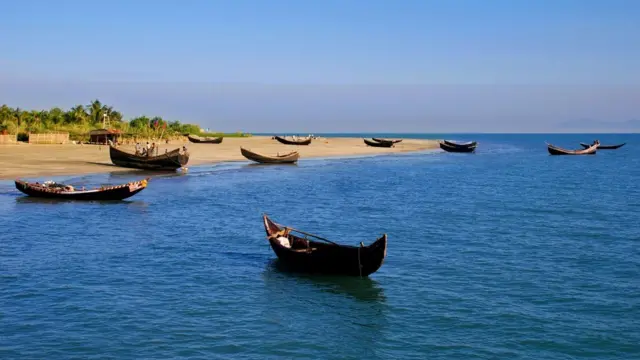
Residents of Bangladesh’s only coral island, Saint Martin’s, are grappling with a severe economic crisis. Amid food shortages, both humans and animals are in distress, yet this dire reality remains obscured from public view. Why are outsiders, including relatives, friends, and journalists, barred from entering the island without written permission from the Upazila Nirbahi Officer?
Last year, citing threats from Myanmar’s Rakhine state and the need to protect the coral barrier, entry restrictions were imposed. But is that threat still imminent? With ship operations halted, the tourism season has ended, and tourists are reluctant to visit by trawler or speedboat. Why then are these restrictions still in place?
Locals are questioning the lack of employment opportunities since January 31, allegedly introduced for the island’s benefit.
Residents report that promises made in February by the environmental advisor to discuss government plans remain unfulfilled. Food shortages have led to the deaths of dogs, cats, and crows, with starving animals attacking turtles and humans. Although some praise the visibility of shell beaches, locals see it as a warning of severe erosion. Sea tides are now dangerously close to the shore.
Approximately 500 residents have left the island for Teknaf, Ukhiya, and Cox’s Bazar in search of livelihood. Some now drive auto-rickshaws or work as photographers on Cox’s Bazar beach. Those who remain are struggling, with many families unable to secure two meals a day. Financial hardships have prevented several students from taking the ongoing SSC exams. Secret shell sand extraction and smuggling to Myanmar are further evidence of the crisis.
Local resident Mohammad Ali lamented, “During Eid-ul-Fitr, many families celebrated in old clothes, unable to afford new ones. This Eid-ul-Azha, less than 20% of people will manage to perform Qurbani.” He criticized the media for promoting a false narrative of the island’s revival, ignoring the irreversible damage to both residents and biodiversity.
While turtle hatchling releases have been ongoing for two decades, media reports portray it as a recent achievement. However, higher temperatures and dog attacks have reduced hatchling production. Residents have shifted from gas stoves to using clay stoves fueled by keora tree wood, worsening environmental harm.
The islanders’ demand:
“We need action, not sweet words. If not jobs, then at least food.”
They urge the government to ensure employment and food security immediately, lift the entry ban, and present the island’s true situation to the nation.

https://stapravda.ru/20221228/reyting_samyh_populyarnyh_hostingov_v_rossii_196445.html, рейтинг хостингов России подтверждает, что выбор надежного провайдера важен для бизнеса.