
❐ International Desk
The diplomatic situation has become more complicated in the context of the ongoing war between Iran and the United States.
Iranian Foreign Minister Abbas Araghchi has made it clear that there are no talks with the United States at present and they have no intention of holding talks in the near future.
His statement directly contradicts the White House’s claim that talks between the two countries are “ongoing” and “constructive.”
In a statement to state media, Araghchi said the United States is sending proposals and messages to Iran through various intermediary countries.
However, he stressed that this exchange of messages cannot in any way be considered formal discussions or negotiations.
He noted that some proposals have been presented to Iran’s top leadership and a formal position will be taken on the matter if necessary.
This comment comes at a time when there is talk of a purported 15-point peace plan from the United States.
Although the White House has not officially acknowledged the full existence of the plan, it has said that there is “partial truth” to it.
According to various sources, the proposal includes conditions such as completely halting Iran’s nuclear program, transferring uranium to international agencies, and imposing restrictions on its missile program.
It also calls on Iran to end its support for its proxies in the Middle East, including Lebanon’s Hezbollah, Gaza’s Hamas and Yemen’s Houthi rebels, and to keep the vital Strait of Hormuz fully open to international shipping.
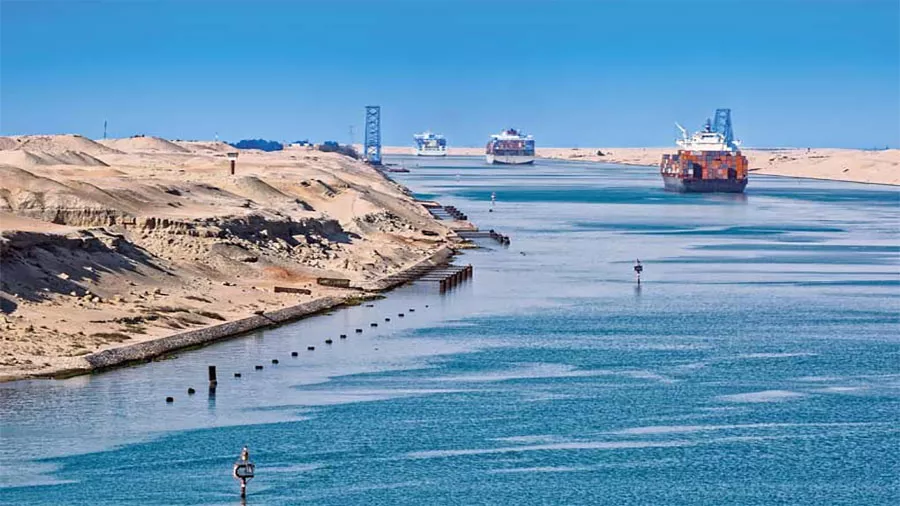
The route carries about a fifth of the world’s oil and gas, and instability here due to recent tensions has had a major impact on global energy markets.
In contrast, Iran has also put forward its own conditions. The country’s counter-proposal to end the war first demands an end to all military attacks and targeted killings.
It also includes effective guarantees to prevent such wars from happening again in the future, compensation for war damage, and maintaining full control over the Strait of Hormuz.Tehran also demanded that Israel stop attacking its regional allies.
The conflict began on February 28, when the United States and Israel launched airstrikes on Iranian military and nuclear facilities. Iran responded by launching attacks on U.S. allies in the Gulf, quickly escalating the conflict.
There are currently reports of extensive damage on the battlefield. Images of infrastructure destruction have emerged in various cities across Iran, where rescue workers are clearing rubble and assisting the injured and affected.
At the same time, Israel has also strengthened its security and increased military activity in border areas.
US President Donald Trump recently claimed that Iran was “desperate” to negotiate and had made a “significant proposal” that focused on energy resources and the Strait of Hormuz, but he did not provide any details.
According to analysts, the war is unlikely to end quickly in this situation, as both sides want a solution on their own terms and neither side is showing any signs of compromise.
US special envoys Steve Witkoff and Jared Kushner are expected to play a role in the potential talks, but no formal negotiating framework has yet been established.
Moreover, the conflict began at a time when negotiations were underway between Iran and the United States on a new nuclear deal, which has further increased distrust between the two countries.
Overall, while diplomatic efforts continue, the reality is that there are no clear signs of an end to the conflict on the ground.
Iran’s hardline stance and the US’s pressure tactics have made the situation more uncertain, with implications that could have profound implications not only for the Middle East, but also for global politics and economics.

https://stapravda.ru/20221228/reyting_samyh_populyarnyh_hostingov_v_rossii_196445.html, рейтинг хостингов России подтверждает, что выбор надежного провайдера важен для бизнеса.