
BD Digest Report
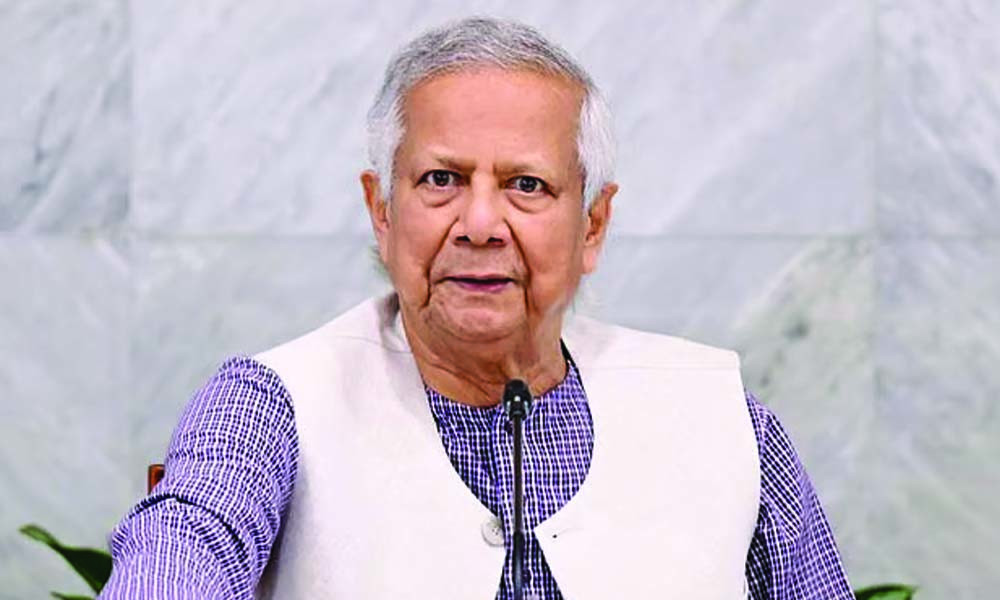
Dr. Muhammad Yunus is a Nobel laureate and a global figure known for his advocacy of the ‘Three Zeros’. However, serious allegations are being raised about his departure after serving as the chief advisor to the interim government of Bangladesh. According to critics, he preferred ‘sweet speeches’ and ‘dreaming’ over running a stable country. As a result, instead of recovering the economy, the country has reached a state of extreme chaos and fragility.
Businessmen, economists and former bureaucrats are now openly criticizing him. According to them, Dr. Yunus and his fellow ‘three doctorate’ economists have sunk the country’s economy instead of lifting it. The main complaints are that the policy interest rate has reached 10 percent, which has led to consumer interest rates of 14-16 percent. This has brought new investment to a standstill. In June 2024, defaulted loans were Tk 2.11 lakh crore, which increased to Tk 5.30 lakh crore in June 2025 (an increase of 151%). In December 2025, external debt reached $113.51 billion, the highest in the country’s history. At least 327 factories have closed and about 150,000 workers have lost their jobs.
Former NBR chairman Badiur Rahman compared this government to the ‘Mastan Party’, saying it has set the nation back decades. According to senior banker Mamun Rashid, the nation has been ‘cheated’ by giving priority to students instead of holding any dialogue with businessmen. Even the leaders of BGMEA did not meet the chief advisor despite repeated requests.
Due to the lack of any emergency energy preparation during Dr. Yunus’s time, the current government led by Tarique Rahman is facing extreme hardship. Currently, there is 12-14 hours of load shedding in villages and severe power outages in cities. Fertilizer factories are closed and production is disrupted due to energy crisis. The production of the most expensive project, ‘Rooppur Nuclear Power Plant’, has been repeatedly postponed.
Some of the agreements signed during the Yunus government have sparked intense national debate. The obligation to buy $21.5 billion in US goods in exchange for minor concessions in garment exports. In addition, the risk of losing billions of taka in revenue by withdrawing tariffs on 4,400 US products in the Bangladeshi market. According to critics, handing over control of this port, known as the country’s ‘lifeline’, to a foreign country is a threat to national security and sovereignty.
The obligation to accept American safety standards and the fear of US obstruction of strategic agreements with China or Russia.
According to businessmen and economists, Dr. Yunus’s government has been focusing more on ‘reform rush’ and ‘cleaning up the system’ than on normalizing economic activities, which has led to a slowdown in regular business and trade. After 18 months of rule, the country is now trapped in a cycle of terrible debt burden and unproductiveness, the common people are paying the price.

https://stapravda.ru/20221228/reyting_samyh_populyarnyh_hostingov_v_rossii_196445.html, рейтинг хостингов России подтверждает, что выбор надежного провайдера важен для бизнеса.