
Staff Correspondent
As Bangladesh is in the midst of a nationwide campaign for the election and referendum, the recent death of five people from the Nipah virus has raised concerns. However, the government’s silence on the matter and the lack of a statement from responsible parties have raised questions about the situation.
According to the Institute of Epidemiology, Disease Control and Research (IEDCR) and the World Health Organization (WHO), a total of five people have died from Nipah virus since late 2025.
Of these, one death has been confirmed so far in 2026.
However, the death toll is reportedly higher.
According to IEDCR, a 40-50-year-old woman from Naogaon district fell ill with fever, headache, vomiting, seizures and behavioral abnormalities on January 21 and died on January 28. Tests confirmed Nipah virus. The woman regularly drank raw date juice, which is known to be a major risk factor for Nipah infection.
Earlier, four more people died from Nipah virus in late 2025. As a result, the risk of Nipah virus has resurfaced during the winter season (December-April).
The WHO said no new Nipah infections have been detected and 35 people who had been in contact with the patient have tested negative. While the risk of international spread of the disease is considered low, the organization advised people to avoid public gatherings and follow hygiene rules.
Election crowding and health risks
In such a situation, people have been traveling from one district to another for election campaigns, public meetings, processions and voting across the country. Health experts are also expressing concern about the risk of infection due to increased public gatherings, especially in Nipah-prone areas including Naogaon, Rajshahi, Faridpur, Lalmonirhat.
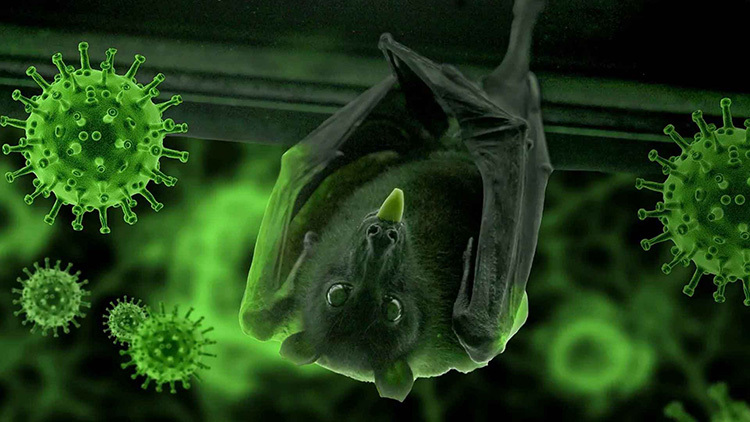
Nipah virus is mainly spread through drinking raw date palm sap contaminated by bats and close contact with an infected person. Experts warn that public gatherings, shaking hands, eating open food and uncontrolled movement could lead to rapid spread of the infection.
Questions about the government’s silence
There have been allegations that the government’s position on such an important public health issue is unclear. Health Advisor Nurjahan Begum did not answer her phone despite repeated attempts to contact her. Similarly, Shahadat Hossain, Senior Public Relations Officer (PRO) of the Ministry of Health and Family Welfare, refused to comment on the matter.
Concerned people believe that such silence from the government’s responsible quarters indicates an avoidance of the Nipah virus. The lack of any visible awareness message or instructions from the government to address public health risks during the election period has also sparked criticism.
Prevention is the only way
Health experts remind that there is no vaccine or specific treatment for Nipah virus. Prevention is the only way. They emphasize not drinking raw date juice, avoiding bat bites or unripe fruits, practicing hand washing, and seeking prompt medical attention if you feel sick.
Experts say that if the government fails to address public health risks amid the election-focused agenda, even a small-scale infection could escalate into a major crisis. This is why a clear government stance on the Nipah virus situation and public awareness initiatives have become essential.

https://stapravda.ru/20221228/reyting_samyh_populyarnyh_hostingov_v_rossii_196445.html, рейтинг хостингов России подтверждает, что выбор надежного провайдера важен для бизнеса.