
Opinion
The current public-private campaign strategy to hand over a key terminal at Chittagong Port to a foreign company is simplistic, weak, and emotional—as if it is a ‘magic bullet’ for the country. The structure of this campaign is as follows:
The campaign’s main message: Importing ‘corruption-free angels’
Supporters of this agreement are loudly stating that:
- Corruption will be reduced: Since the foreign company adheres to international standards, the long-standing lack of transparency and corruption in the port’s management will be eliminated. This is a ‘surefire way’ to make the country’s economy corruption-free.
- Profit and Profit: Increased efficiency and use of modern technology will increase the efficiency of the port. This will result in reduced turnaround time, faster unloading of containers and ultimately, there is no room for loss but profit in the country’s economy.
Finger pointed at the opposition: ‘Politically motivated’ corruption
The most controversial part of this campaign is its attack on those who oppose the agreement. To critics, it says:
- They are corrupt: Those who were benefiting from the corruption that existed in the terminal management are now opposing this agreement.
- Behind the political opposition: Their opposition is not primarily for national interest, but rather they are opposing this agreement to fulfill personal corruption or political objectives.
In other words, the public is being made to understand by simplifying: to protect the people of the country from corruption, a ‘corruption-free angel institution’ is being given the responsibility of managing the port, and those who oppose it are ‘thieves’ or ‘corrupt people’. There is an evil intention behind this simplification that is being hidden.
The question is, what is the record of the ‘Feresta’ organization, which is handing over such a large strategic asset of the country so stealthily and swiftly? Let’s examine some of their past ‘achievements’:
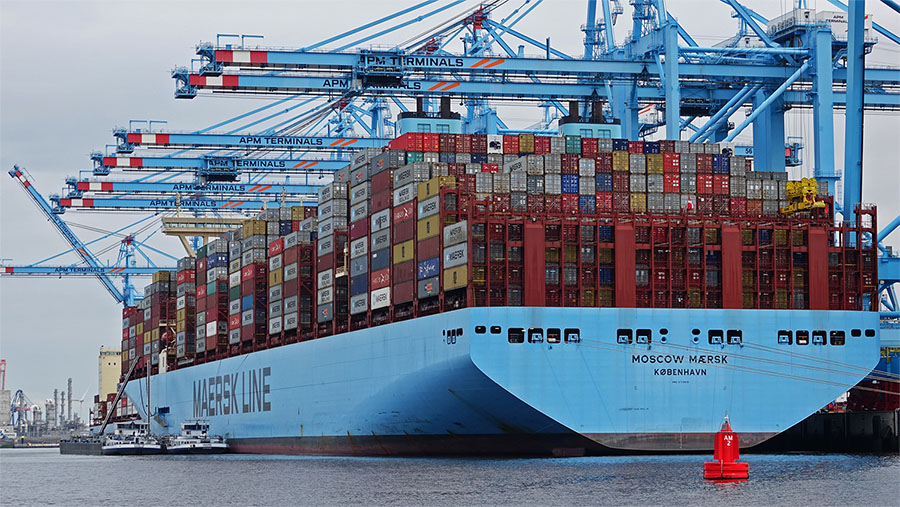
Maersk’s ‘white-collar’ corruption record: A string of international lawsuits
1. Brazil’s Petrobras scandal (‘Operation Car Wash’)
- Allegations: Maersk is accused of paying millions of dollars in bribes to secure shipping contracts with Brazil’s state-owned oil company Petrobras between 2006 and 2014. In exchange for these bribes, they obtained sensitive information.
- Evidence: Brazilian prosecutors filed civil lawsuits against Maersk and its former executives.
- References:
2. Guatemalan bribery scandal (APM Terminals)
- Fact: APM Terminals agreed to pay the Guatemalan government $43.2 million in “reparations” to retain control of the Puerto Quetzal terminal. It was alleged that government officials were bribed to secure the deal before the acquisition.
- Confession: While APM Terminals denied direct corruption, it paid a huge amount of compensation, taking ‘moral and economic responsibility’ to protect the contract.
- References:
3. False claims to the US military
- Fact: Maersk Line Limited (an American subsidiary) was forced to pay a fine to the US government for allegedly inflating shipping costs to the US military.
- Result: In 2011, they settled the matter with a fine of approximately $31.9 million.
- References:
Corporate ethics and human rights issues
1. Competition law violations related to mergers (Denmark)
- Fact: The Danish Maritime and Commercial High Court fined Maersk for failing to notify the competition authority about the merger of its subsidiaries.
- Result: The court fined Maersk 10 million Danish kroner (about 1.4 million US dollars), which was considered ‘gross negligence’.
- References:
2. Dispute resolution of whistleblower discrimination cases
- Fact: Maersk Line Ltd. illegally fired a chief mate for reporting safety concerns directly to the US Coast Guard.
- Result: The intervention of the US Department of Labor forced Maersk to pay compensation and change its policy on employee communication with federal agencies.
- References:
3. Human rights and military weapons transport
- Fact: Civil society organizations proposed a motion at the annual general meeting to disclose Maersk’s human rights due diligence process regarding the shipment of arms and military equipment to Israel.
- Importance: Their involvement is alleged to expose the company to serious human rights and legal risks.
- References:
I want self-respect, not slavery.
The international record of those who are being entrusted with such a large strategic infrastructure of the country is not that of an angel, but is covered in the dark shadow of bribery, false claims and violation of competition laws. If such a multinational institution is brought in to stop the thieves of the country, then it must be understood that the very foundation of our governance and self-respect has been shaken.
Foreign companies are businessmen. Their main goal is profit and they resort to various unfair practices at the international level for that. Whether our countrymen are being protected from corruption through these quick and opaque deals, or are they becoming a new slave to a larger, international empire of corrupt people, is an important question to be put before everyone today.

https://stapravda.ru/20221228/reyting_samyh_populyarnyh_hostingov_v_rossii_196445.html, рейтинг хостингов России подтверждает, что выбор надежного провайдера важен для бизнеса.