
Special Correspondent
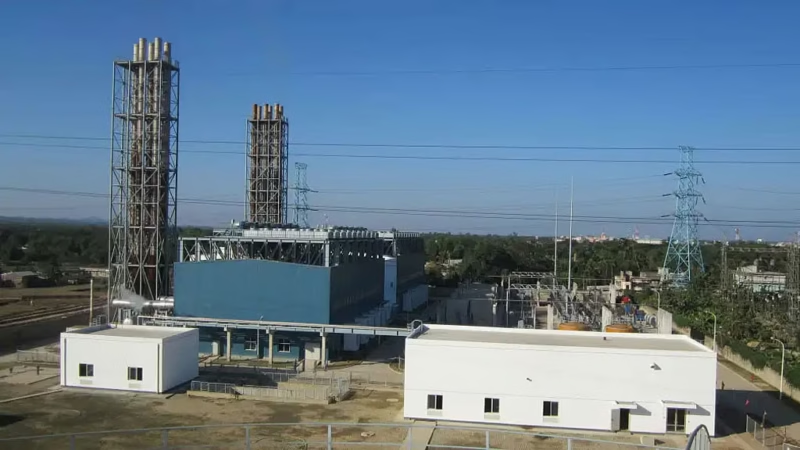
The government is now turning to furnace oil-based power plants to deal with the load shedding situation. The Bangladesh Power Development Board (PDB) has planned to reduce the use of gas in power generation to increase gas supply to the industrial sector and generate more electricity from oil-based plants. For this purpose, a target of generating about 4,000 megawatts of electricity from oil-based plants has been set.
Centers that were closed due to high prices
There has been a long-standing controversy over these private oil-based (quick rental and IPP) plants built during the Awami League government. It was alleged that these plants were charging huge “capacity charges” as per the contracts without producing any output, which put a huge strain on the state treasury. On this basis, the interim government, after taking office, suspended the “Quick Supply of Electricity and Energy Special Provisions Act”, under which these controversial power contracts were signed during the Awami League government. Since then, several oil-based plants have been practically idle or operated on a limited scale, alleging that they were buying electricity at high prices.
As a result, load shedding has increased to record levels across the country in the past few months. Due to fuel shortages and mechanical failures, 41 power plants in the country were completely shut down at one stage, causing an average load shedding of about 3,000 megawatts, surpassing all previous records. The situation was even more dire in rural areas—there was no electricity for hours on end. At the same time, the country’s 53 oil-fired power plants had their furnace oil stocks reduced to 7-8 days instead of the normal 15 days, limiting their production to one-fourth.
Now trying to return to those closed centers
Having failed to reduce load shedding, the government is now trying to fully utilize the capacity of oil-based plants, which have been limited so far on the pretext of high prices. An analysis of data from the National Load Dispatch Center (NLDC) of Power Grid Bangladesh PLC from August 24 to 30 showed that although the combined capacity of 39 private HFO plants and units is about 4,328 MW, the actual production is a little more than half of that. Although a total of about 2,913 MW was generated from the 36 plants during the peak demand on the evening of August 23, it gradually decreased to about 2,570 MW on the evening of August 29.
The PDB believes that increasing the use of furnace oil instead of gas for power generation will save some gas for the industrial sector. However, in return, the power sector will have to pay huge additional costs—the cost of oil-based generation is about six times higher than that of gas-based generation.
In this regard, PDB Chairman Rezaul Karim said, “Sometimes the government has to do crisis management.”
Analysts say that the government is now relying on the same plants that were once branded as “looter models” and symbols of unnecessary capacity charges, failing to control load shedding. While short-term alternatives are limited, concerns remain about the ultimate impact of this additional cost pressure on electricity prices at the consumer level.

https://stapravda.ru/20221228/reyting_samyh_populyarnyh_hostingov_v_rossii_196445.html, рейтинг хостингов России подтверждает, что выбор надежного провайдера важен для бизнеса.