

Staff Reporter
To increase revenue collection, the National Board of Revenue (NBR) has taken the initiative to collect taxes from small and retail traders of the country. Advance income tax will be collected at the rate of two taka per thousand or 0.2 percent at the time of delivery of goods. The organization is developing a special app to ensure the collection of this tax. The app is planned to be used from next January.
This initiative of the NBR will bring about 7 million retailers in the country under the tax. However, there is a fear of creating new tax pressure on small traders with limited capital. Especially since the profit rate is low in the business of daily necessities including rice, pulses, oil, the additional tax money may eventually be added to the price of the product. This will increase the pressure on the general consumer as well.
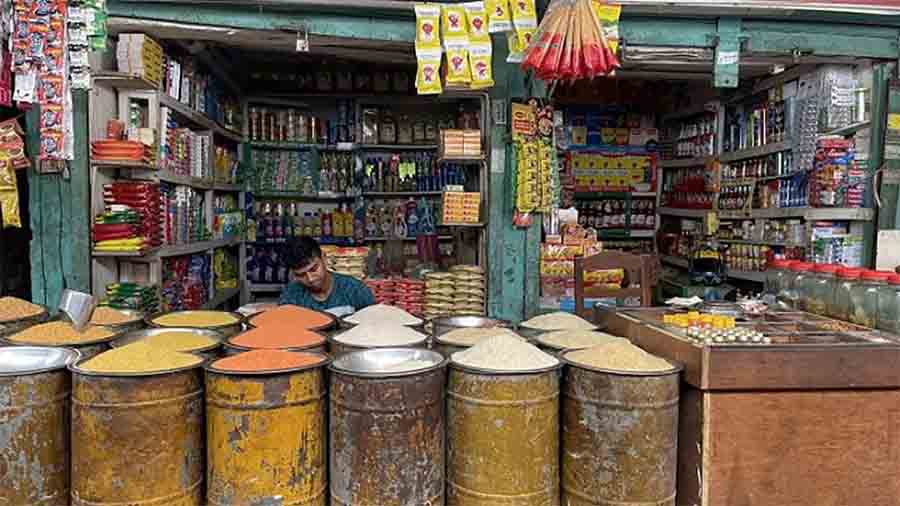
Ejazul Haque, a small businessman in the capital, sells rice, pulses and various daily necessities worth more than Tk 1 million per month.
He said, “We make a profit of around 20 taka per thousand; out of this, we have to cover all expenses including shop rent. If we have to pay 2 taka tax on that, it will affect the consumers. We will then have to sell the product at a price of 2 taka higher.”
The Finance Act 2026 has provided for the collection of advance tax at the rate of 0.2 percent on the invoice or sale price of goods sold to retailers by manufacturers, importers, suppliers, distributors and warehousemen. This tax is not final. Retailers can adjust it with the tax due at the time of filing their income tax returns at the end of the year.
However, to avail the benefit of advance tax adjustment, regular account maintenance and income tax returns will be required. There are questions about how easy this process will be for small shops and family businesses. It is also unclear how and how quickly the money deducted from traders whose income is below the taxable limit will be refunded or adjusted. As a result, there is a risk that a part of the working capital of traders will be stuck for a long time.
According to NBR sources, initially, distributors of large manufacturing companies will use the app. Through it, product supply accounts, e-invoices and transaction information will be stored with retailers. At the end of the month, distributors will deposit advance tax to the government treasury based on the sales account. There will also be an opportunity to deposit tax through mobile banking. Later, there are plans to make the use of the app mandatory for all wholesalers.
Meanwhile, the NBR’s revenue collection deficit stood at Tk 41,879 crore in the first three months of the current fiscal year. In this situation, the organization is trying to increase revenue collection by expanding the tax base.
However, before imposing new tax burdens on small businesses to meet the revenue shortfall, there is a need to consider their financial capacity. The business structures of large businesses and small shops are not the same.
There is a risk that the same rate of tax reduction will reduce the profits of small traders and increase the prices of goods. If this initiative is implemented without ensuring easy tax adjustment, technical assistance and separate benefits for small traders, the burden may ultimately be borne by ordinary consumers.
In this regard, a top official of the NBR’s income tax department said, “Environmentalists will ensure tax collection through the app. They will be the ones who will use it. Therefore, the opinion of business representatives is important. For that, everything will be fixed by sitting with them and discussing the issues. We only made the app, but they did not use it. Then the tax cannot be collected.”

https://stapravda.ru/20221228/reyting_samyh_populyarnyh_hostingov_v_rossii_196445.html, рейтинг хостингов России подтверждает, что выбор надежного провайдера важен для бизнеса.