

❐ Staff Reporter
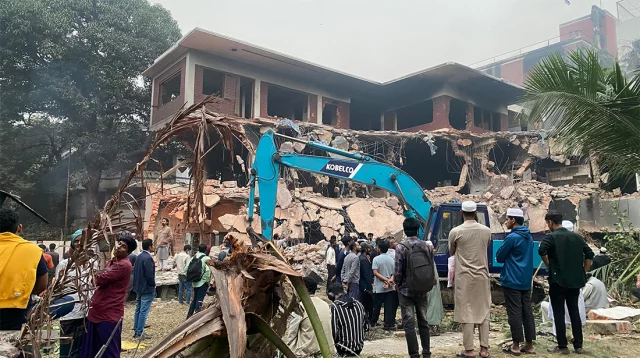
The first victim of the anti-government protests that began in July-August 2024 around the time of quota reform was the Chittagong Metropolitan Police’s Liberation War Museum located at the Police Lines in Dampara. The protesters attacked and demolished the museum on July 16 of that year.
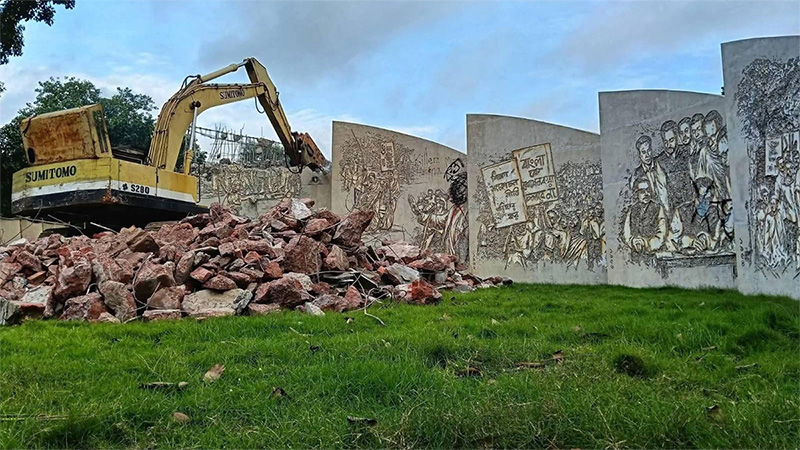
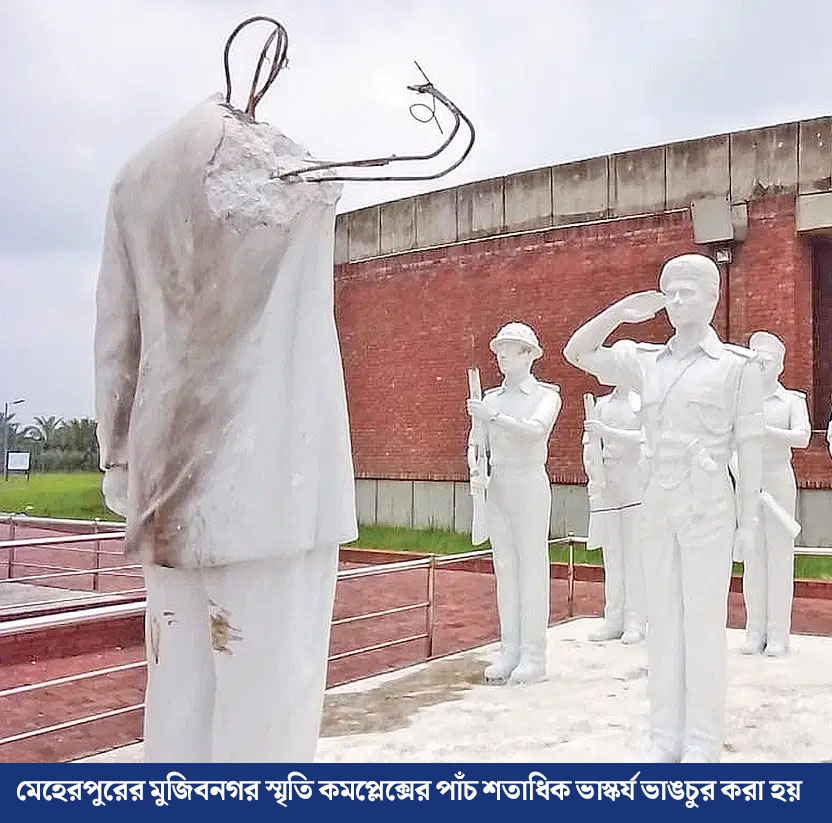
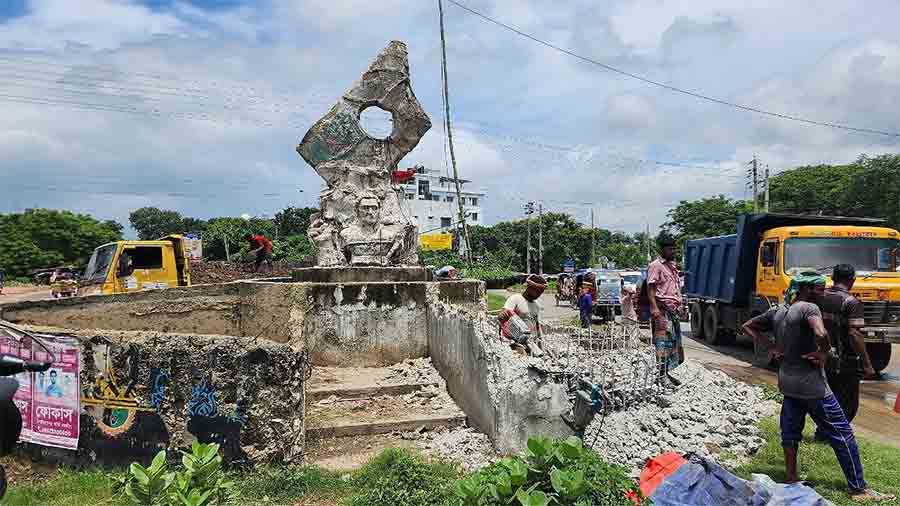
Since then, museums, memorials, sculptures, memorials, murals of the Liberation War, including the Father of the Nation Bangabandhu Sheikh Mujibur Rahman and the four national leaders, including the great heroes, have been gradually demolished in various parts of the country. And all the protesting parties including BNP-Jamaat-NCP have led these vandalism, attacks and destruction. Thousands of people have been killed in these incidents.
Many of those who participated in vandalism and destruction of these structures in the name of protests are now members of parliament and are ‘decorating’ the parliament. No action has been taken against them under state law, on the contrary, all their destructive activities have been given immunity.
However, this connection does not exist in the case of the July Museum. A separate law has been made to prevent damage to the July Museum, and it also contains provisions for punishment.
Any person who damages any immovable artifact of the July Museum will be punished with imprisonment for a term not exceeding 10 years or a fine of Tk 1 million or both. And anyone who steals, smuggles or destroys any immovable artifact of the museum will be punished with imprisonment for a term not exceeding five years or a fine of Tk 5 million or both.
There are provisions in the ‘July Memorial Museum Act-2026’ enacted for the purpose of establishing and operating the July Museum.
The law was enacted on April 10, 2026, to establish and operate the July Museum to preserve, research, and exhibit the history and artifacts of the July-August 2024 riots and conflicts.
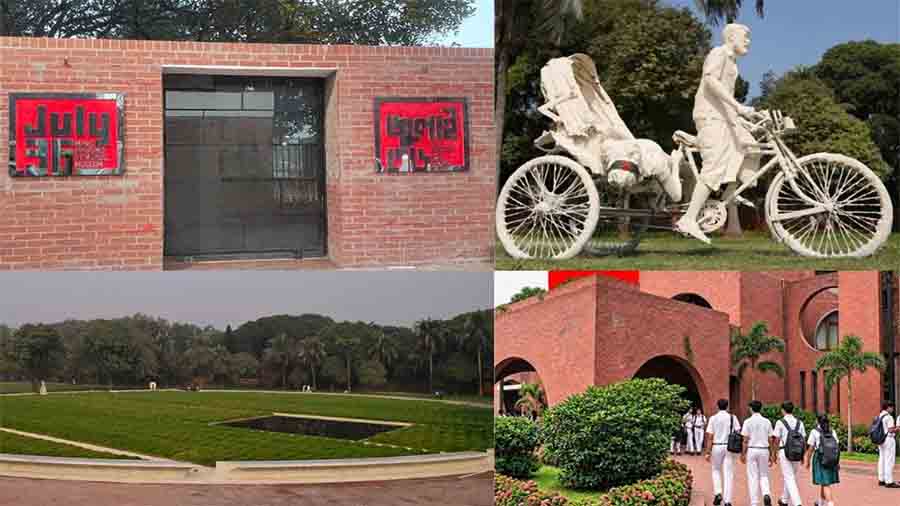
July Museum
Prime Minister Tarique Rahman inaugurated the July Museum, built to preserve the relics of the riots and conflicts established in light of this law, on August 5. The historic museum was officially opened to general visitors the next day.
Section 4 of this law states that the museum’s head office will be at Ganabhaban in Dhaka. And from January 1, 2009 to August 5, 2024, the museum will have the right to declare, preserve and maintain as museums the secret prisons where crimes against humanity were committed during the rule of the ‘fascist’ government.
In this case, if a secret prison is under the control of an organization, that organization will be obliged to hand it over to the museum in its current condition, and the inhumane prisons will be considered and operated as branch museums of the museum.
Section 5 of the law states that the functions of this museum include – searching, collecting, preserving, researching and displaying ‘historical’ artifacts and monuments related to the fall of the government, the history of East Bengal, the language movement, the independence struggle and the 1971 Liberation War, anti-democracy and human rights activities and the rise of fascism, documentary documents, related objects and artifacts.
Section 15 of the Act states that the museum may, with the recommendation of the Board and prior approval of the Government, exchange, exchange or give gifts of artifacts of the July period with the Bangladesh National Museum or any other museum or any person on a permanent or temporary basis for the purpose of display and preservation. However, such permanent or temporary exchange, giving or receiving gifts must be made in accordance with an agreement.
Section 16 of the Act states that if there is reasonable cause to believe that any person or institution is in possession of any evidence related to July, the Director General or any employee authorized by him may inspect the said place and may take appropriate action in accordance with this Act or the rules or regulations made thereunder.
Section 17 of the law on access to museums states that the public shall have access to museums in exchange for an admission fee determined by the board.
Section 22 of the Act states that any person who destroys, destroys, alters or damages any immovable property of a museum or any part thereof shall be guilty of an offence and shall be liable to imprisonment for a term not exceeding 10 years or a fine not exceeding 1 million taka or both.
According to Section 23 of the Act, if any person steals, smuggles, destroys, mutilates, alters or damages any movable artefact of a museum, it will be an offence and he will be punished with imprisonment for a term not exceeding 5 years or a fine not exceeding 5 lakh taka or both.
On the other hand, Section 24 states that if any person engraves, writes, inscribes or signs any artifact collected or registered by the museum, it will be an offense and he will be punished with imprisonment for a term not exceeding one year or a fine not exceeding 10,000 taka or both.
Meanwhile, Section 25 of the Act states that if any officer or employee of the museum is accused of any of the crimes mentioned in the section, departmental proceedings may be taken against him for breach of discipline in addition to the conventional punishment. In this case, caution must be exercised in taking a final decision if a case is pending in court.

https://stapravda.ru/20221228/reyting_samyh_populyarnyh_hostingov_v_rossii_196445.html, рейтинг хостингов России подтверждает, что выбор надежного провайдера важен для бизнеса.