
Staff Correspondent: Economic Desk
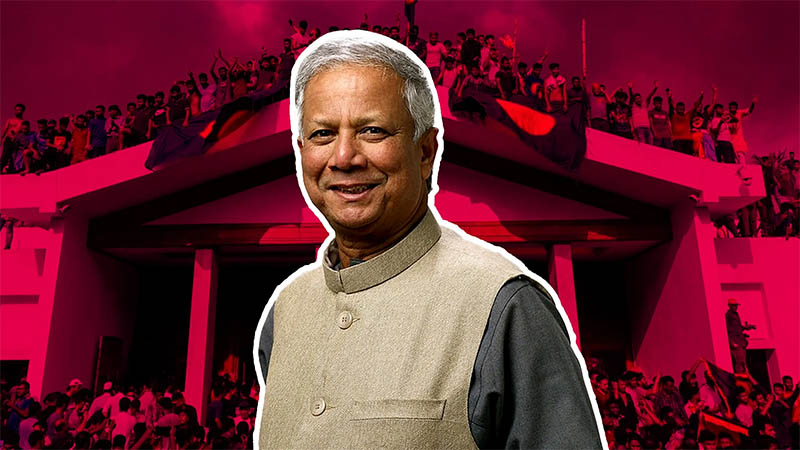
The first eight months of the 2024-25 fiscal year have witnessed severe stagnation in private sector bank loan flows. According to Bangladesh Bank, loan growth during this period was only 2.63 percent—half of the rate recorded during the same period last year and the lowest in over two decades. Economists see this as a dire warning for the economy. The Yunus government is criticized for lacking proper plans to address this issue and for allegedly harassing businesses.
Experts highlight political uncertainty, repression of businesses, a weak investment climate, and high interest rates as factors discouraging new entrepreneurs. While actual investments have not increased, the nominal loan figures have risen slightly due to interest calculations. Small and medium enterprises are suffering the most under this pressure.
Economist Dr. Selim Raihan stated that the restrictive monetary policy has failed to control inflation while exacerbating the crisis in the private sector.
Due to high interest rates, banks are increasingly leaning toward government treasury bills and bonds, which offer a secure return of 11.13 percent. This has reduced the enthusiasm for private sector lending. Imports have declined, impacting production. Significant reductions have been observed in imports of capital machinery, raw materials, and intermediate goods. According to data on LC openings through March, machinery imports fell by 26 percent, posing a significant threat to industrial production. Many factories are now operating below capacity, with some shutting down altogether.
Collapse in Loan Flow, Investment in Industry Stagnates
In February of this year, loan growth in the banking sector stood at just 6.82 percent—the lowest since 2004. Interest rates ranging from 9 to 16 percent, coupled with market uncertainty, have become major barriers to new investments.
Political uncertainty and a lack of confidence in foreign investments are also worsening the situation. Following the August 5 protests, political stability has not been fully restored. Amid this uncertainty, both domestic and foreign investors remain largely inactive. The complexity of the tax system and the slow pace of improving the business environment are also significant obstacles.
Meanwhile, employment and GDP growth have been adversely affected. By the third quarter of 2024, the number of unemployed in the country rose to 2.66 million. In one year, approximately 2 million people exited the labor force. Economic growth has slowed to 4.22 percent, lower than government forecasts.
Additionally, exports have been hit, with ominous signs emerging in the ready-made garment sector. Export earnings in April dropped to \$3.01 billion, the lowest of the current fiscal year. Woven product exports in the garment sector fell by 4.65 percent, although there was slight growth in knitwear products.
Experts emphasize the need for immediate measures to revitalize the economy. Key steps include ensuring political stability and an investment-friendly environment, reforming the banking sector and rationalizing interest rates, digitizing the tax and customs systems, ensuring energy security and providing easy loan facilities, and offering policy support to enhance production and export capacity. Without prompt implementation of these measures, industrialization will face obstacles, and the overall pace of the economy will slow further.

https://stapravda.ru/20221228/reyting_samyh_populyarnyh_hostingov_v_rossii_196445.html, рейтинг хостингов России подтверждает, что выбор надежного провайдера важен для бизнеса.