

A Saudi Arabian appeals court sentenced a Sri Lankan man to death for insulting the Prophet and blasphemy in September.

Special Correspondent. Dhaka, October 17, 2026
Almost immediately after the news of the execution of two Bangladeshis in Saudi Arabia, it was revealed how the Sri Lankan government, with diplomatic skill, overturned the sentence of a Sri Lankan youth sentenced to death in Saudi Arabia for insulting the Prophet. These two simultaneous incidents have further raised questions about Bangladesh’s diplomatic activity and skill.
Nazrul Islam Abdul Basir and Siti Akhtar were executed in the Mecca region of Saudi Arabia on October 14. The Saudi Interior Ministry statement cited charges of “immoral acts” inside a mosque, but did not provide specific details of the charges. The court sentenced them to death and the execution was carried out by royal decree after approval by the relevant authorities.
The Consulate General of Bangladesh in Jeddah said that the Saudi authorities did not inform them before the execution. After learning about the matter from media reports after the execution, the consulate sent a formal diplomatic note to the Saudi Foreign Ministry seeking an explanation about the incident.
This is where a comparative discussion has arisen about the roles of Sri Lanka and Bangladesh. Before the execution of Anonjan Sibarsa, the Sri Lankan government sent a legal team to Saudi Arabia and contacted the relevant authorities in the country.
On the other hand, in the case of the two Bangladeshi citizens, the Bangladesh Consulate, the Ministry of Expatriates’ Welfare, the Ministry of Foreign Affairs, and the relevant state ministers and officials were completely unaware of the entire period of the video circulating on social media, the arrest, the trial, the death sentence, and the execution of the verdict.
The consulate initiated formal communication after news of the execution became public.
What was the initiative of Sri Lanka, what is known about Bangladesh?
Sri Lankan citizen Anonjan Sibarasa was working in Saudi Arabia. In June this year, a religious debate began online over a video that went viral on social media. The video showed a Muslim youth kicking a dog that was following Hindu pilgrims. At one point in the heated online discussion surrounding the incident, Anonjan was accused of making derogatory comments about the Prophet Muhammad (PBUH) in Tamil.
According to the complaint, Anonjan later deleted the comment and apologized in a video message. However, screenshots of the comment were first shared with his employer and local authorities. He was arrested by Saudi police in July.

Anonjan Sibarasa, a 27-year-old migrant worker from Sri Lanka, was facing the death penalty for blasphemy.
Initially, the Al-Ahsa Criminal Court sentenced him to five years in prison and a fine of three million Saudi riyals. But in September, the appeals court changed the sentence to death for blasphemy. The verdict caused deep concern in Sri Lanka. Since September 28, Anonjan has also stopped communicating directly with his family, according to the related account.
The Sri Lankan government’s efforts in the Anojana Sibarasa case were multifaceted. The country’s foreign ministry initiated diplomatic contacts, sent a legal team with experts to Saudi Arabia, and sought legal redress in the highest court with the assistance of Saudi lawyers. On October 13, the Saudi Supreme Court overturned the death sentence. Sri Lanka’s Deputy Foreign Minister Arun Hemachandra thanked the governments, diplomats, and legal teams of the two countries for this outcome.
On the other hand, according to the Bangladesh consulate, they were not informed before the execution. If this statement is true, it raises serious questions: How was the consulate monitoring the progress of the case while the two Bangladeshi citizens were facing a capital punishment case? Was any legal assistance provided to them by the consulate? Was the possibility of a commutation of the sentence or any other legal remedy explored before the death sentence was finalized? Or did the consulate even know about the arrest of the couple?
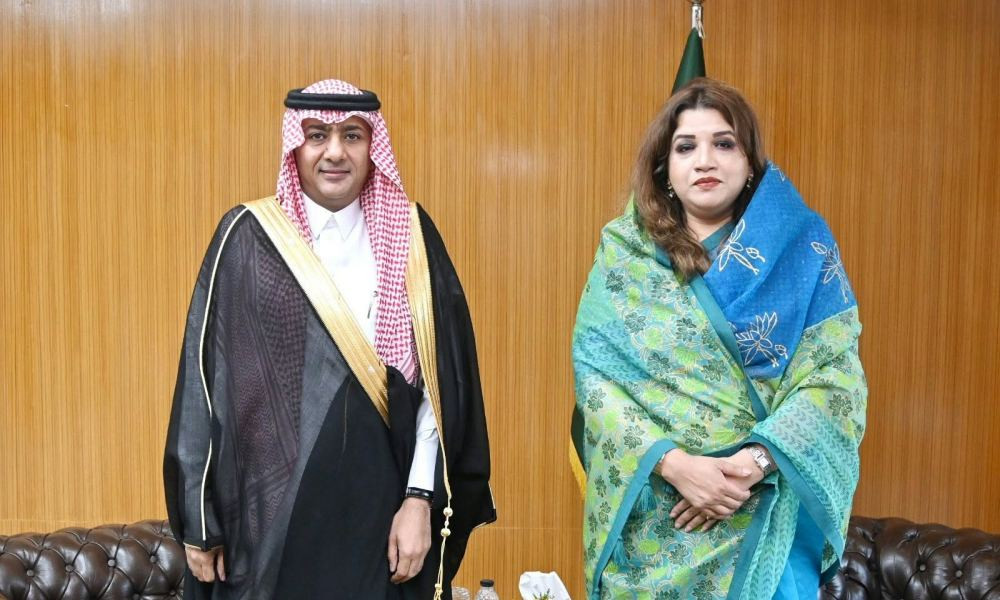
The State Minister for Foreign Affairs has sought Saudi Arabia’s assistance in quickly repatriating the bodies of two Bangladeshis after their execution. October 13, 2026.
According to some unconfirmed sources on social media, Basir and Siti had been in a relationship for a long time. Bangladeshis living in Saudi Arabia who saw the viral video said:
In the video that went viral on social media, Basir and Siti were seen in an intimate position in the mosque, kissing each other, but there was nothing more to the video.
Two incidents have highlighted the importance of ensuring active consular monitoring and legal assistance from the beginning of the trial process, rather than seeking explanations after the execution.
The state’s responsibility to protect the lives of expatriates
When a citizen is charged with serious crimes abroad, the trial is conducted in accordance with the laws of the country concerned. Unlike in Bangladesh or Sri Lanka, the government of one’s own country cannot directly overturn the verdict of another country’s court. But there are always opportunities to take steps such as diplomatic communication, assistance in hiring a suitable lawyer, seeking appeals, contacting family members, and, where applicable, applying for pardon or commutation of sentence.
The repatriation of six Bangladeshis sentenced to death in 2010 by paying the Saudi government nearly 10 million taka as “blood money” is an example of the extraordinary diplomatic activity and skill of the Bangladesh government.
The Sri Lankan case demonstrates the importance of pursuing legal remedies and diplomatic efforts even after a death sentence has been handed down. However, the overturning of Anonjan’s death sentence does not guarantee his release; further decisions about the legal process are needed.
In Bangladesh’s case, it is now necessary to clarify what information the government had about the cases of the two citizens before the execution, what kind of assistance the consulate provided, and whether there was any opportunity to communicate with the Saudi authorities. At the same time, it is important to develop effective systems for the rapid identification and regular monitoring of death penalty cases of Bangladeshis living abroad in the future.
The Sri Lankan government and its diplomatic mission have successfully overturned the death sentence of Anonjan Sibarsa. In contrast, the consulate’s request for an explanation from Saudi authorities following the execution of two Bangladeshis in Mecca has raised questions about the effectiveness of Bangladesh’s expatriate protection system.

https://stapravda.ru/20221228/reyting_samyh_populyarnyh_hostingov_v_rossii_196445.html, рейтинг хостингов России подтверждает, что выбор надежного провайдера важен для бизнеса.