
Special Correspondent
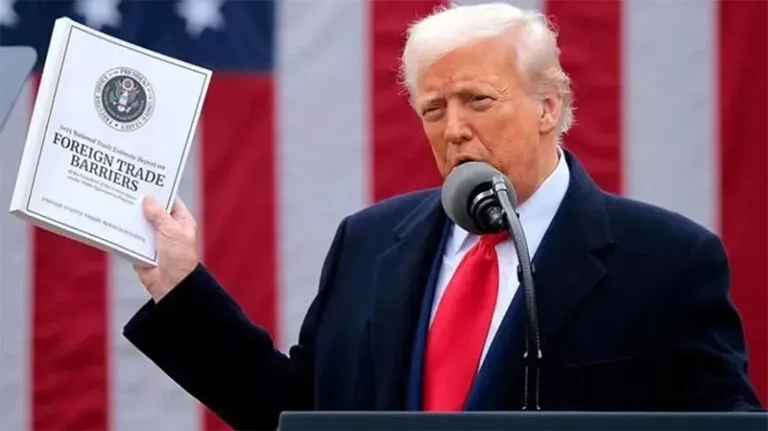
Dhaka, March 12, 2026: The Office of the United States Trade Representative (USTR) announced on March 11 that new investigations have been initiated against 16 major trading partner countries under Section 301. The list includes Bangladesh, India, China, the European Union, Japan, South Korea, Mexico, Vietnam, Thailand, Malaysia, Cambodia, Indonesia, Singapore, Taiwan, Switzerland, and Norway.
USTR chief Jamieson Greer said the main focus of the investigation is structural excess capacity and overproduction, which are negatively impacting U.S. manufacturing and jobs. If the investigation finds that a country’s policies or practices are unreasonable or discriminatory, new tariffs could be imposed on that country’s products—even as soon as this summer.
The move comes after a US Supreme Court ruling last month (February 2026) that declared some of President Donald Trump’s previous tariff policies (particularly IEEPA-based tariffs) illegal. As a result, the Trump administration is trying to create new tariff pressure through Section 301.
Greer said the provisional duties imposed in late February are due to expire in July, before the investigation is completed and necessary measures are taken. After the investigation begins, the docket will be open for public comment starting March 17, and a public hearing will be held in May.
Concerns for Bangladesh
Bangladesh’s economy is largely export-dependent, particularly in the ready-made garment (RMG) sector, which is the largest market in the United States. The inclusion of Bangladesh in this investigation raises the following risks:
Possibility of imposing new tariffs:
If USTR deems Bangladesh’s production policies or export advantages to be “unfair” (e.g., subsidies, cheap labor, or large trade surpluses), additional tariffs may be imposed on RMG and other products. This would reduce the competitive advantage in the United States, reduce exports, and reduce foreign exchange earnings.
Instability of existing contracts:
The Reciprocal Trade Agreement signed between Bangladesh and the United States in early 2026 sets a 19% reciprocal tariff on Bangladeshi goods (with the benefit of zero tariffs for some garments), but this new investigation could challenge that agreement or add additional tariffs.
Economic impact:
Employment in the RMG sector (about 4 million people) and a large part of GDP (about 80% of exports) could be at risk. A decline in exports would have a negative impact on the banking sector, industrialization, and overall economic growth.
Geopolitical pressure:
In addition to the investigation, USTR is launching another Section 301 investigation into forced labor, which will cover more than 60 countries. This could create additional pressure given previous allegations of labor rights in Bangladesh’s RMG sector.
If the US increases tariffs, competition in Europe and other markets will increase, but new barriers could also arise there. The Bangladesh government has not yet formally responded to the investigation, but experts say it is necessary to try to mitigate the risks through rapid consultations, public comment and diplomatic efforts. The incident has further highlighted the need for Bangladesh to diversify its export strategy and increase domestic productivity.

https://stapravda.ru/20221228/reyting_samyh_populyarnyh_hostingov_v_rossii_196445.html, рейтинг хостингов России подтверждает, что выбор надежного провайдера важен для бизнеса.