
Opinion
Implementation of the Anti-Terrorism Act 2009
The SRO (Statutory Regulatory Order) issued under the Anti-Terrorism (Amendment) Act is considered a subordinate law. It prohibits the political activities of the Awami League based on Section 18 of the Anti-Terrorism Act 2009.
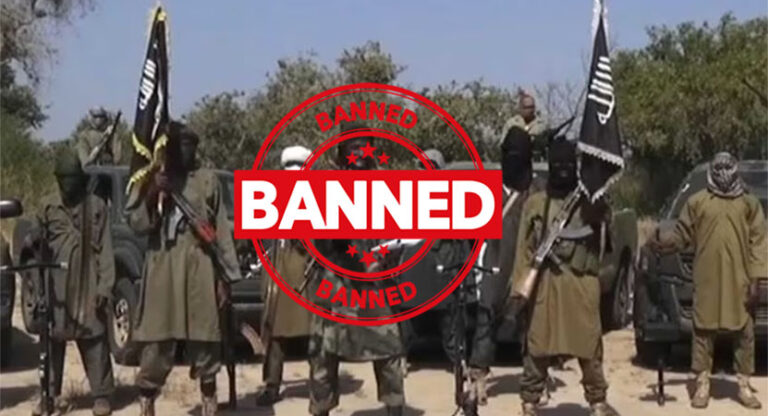
Since the SRO is a subordinate law, it can be repealed or amended at any time. The original Anti-Terrorism Act 2009 was enacted to combat international terrorism in the wake of the 9/11 attacks on the United States. The act was passed to prohibit international terrorist groups including the Taliban, ISIS, and Boko Haram, following various resolutions of the United Nations Security Council.
Many legal scholars believe that banning the general political activities of a major political party is not directly consistent with the main aim and purpose of this law. As a result, there is a reasonable debate as to whether this ban falls under the Anti-Terrorism Act 2009 or not.
Article 38 of the Constitution and the rights of political parties
According to Article 38 of the Constitution, every citizen has the right to form an organization or union, although reasonable legal restrictions may be imposed in the interests of morality or public order. However, if an organization destroys religious, social and communal harmony, creates discrimination on the basis of religion, race, gender, language, etc., organizes terrorist activities or adopts objectives incompatible with the Constitution, then it may be prohibited.
Awami League meets the criteria set out in Article 38 of the Constitution as a registered political party. On the other hand, Jamaat-e-Islami is a religious party that believes in theocracy. This party considers sovereignty to be vested in divine or supernatural powers, rather than in the sovereignty of the people, as per Article 7(2) of the Constitution. As a result, it can be argued that there is a direct conflict between Jamaat’s political manifesto and the fundamental principles of the Constitution. Many have expressed the view that such conflicts need to be resolved legally first.
Barrister Tania Amir had won a writ petition related to Jamaat in the High Court. However, the process of this case was hampered in the Appellate Division after the political change of August 5, 2024. The judgment of the Appellate Division was described as ‘par incurium’ (omitting legal principles or important information) because it was claimed to be in direct conflict with Article 7 of the Constitution. It has been argued that such a judgment cannot be considered as ‘steer decisions’ (judicial precedent or legal precedent) under Articles 111 and 112 of the Constitution.
A conducive political environment is essential for fair legal and political discussions on these issues. Many legal scholars and political analysts believe that the rights and responsibilities of all political parties should be determined with respect for the sovereignty of the constitution, democratic values, and the rule of law.
– Mrinmoy Sen

https://stapravda.ru/20221228/reyting_samyh_populyarnyh_hostingov_v_rossii_196445.html, рейтинг хостингов России подтверждает, что выбор надежного провайдера важен для бизнеса.