
Opinion.
After the political upheaval in August, several events shocked the nation, including the bloodthirstiness of the youth and the sudden emergence of the Jamaat-e-Islami’s student wing, Islami Chhatra Shibir, from underground operations in educational institutions. Many were stunned by the revelation that Shibir had been secretly operating for years in campuses, with students playing significant roles in a government change movement. While Awami League supporters identified the movement’s aims and Shibir’s involvement early on, the broader intellectual community initially rejected these claims. However, over time, some admitted their mistakes, acknowledging Shibir’s role in instigating the violence.
For those familiar with the political landscape of the 1980s, the brutal reality of Shibir’s operations comes as no surprise. The group used deadly weapons, engaging in violent acts like beheading, dismembering bodies, and torturing their victims with extreme methods. During the Ershad and Zia eras, Shibir was notorious for targeting political opponents from various student organizations, intellectuals, and teachers. This armed political violence, an integral part of their ideology, continues to this day through a network of specially trained operatives.
While campus politics may have been suppressed during the Awami League era, Jamaat and Shibir remained influential through various social, cultural, professional, and political organizations. They infiltrated all levels of society, from NGOs to local shops, and used strategic financial support and brainwashing tactics to strengthen their position. They also built alliances by feigning support for causes, such as economic aid or religious solidarity.
Jamaat’s female wing, the Chhatri Sangstha, played an integral role in spreading the group’s ideology, even infiltrating households through religious gatherings and community activities. Women were taught to focus on religious practices, furthering the group’s reach in conservative communities. Alongside this, Jamaat helped foster the rise of youth gangs, some of which became key players in the political violence of the past year.
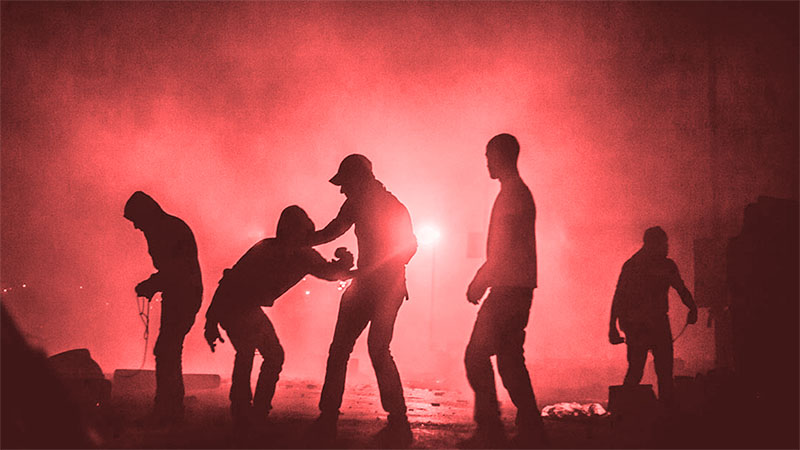
Youth gangs, once seen as peripheral groups, have become significant political tools. Local political leaders have used these gangs for rallies, creating a system where a few monetary incentives or promises of future opportunities can mobilize these gangs to engage in violence. Over the last decade, this culture has spread like a virus, with many leaders utilizing these gangs to maintain dominance within their neighborhoods and political factions.
In recent years, local gang leaders have increasingly become political figures, influencing campaigns and protests. These gangs have played a key role in orchestrating political violence, including damaging public property, committing arson, and even orchestrating murders. Despite claims of democratic progress, the presence of these gangs, fueled by political factions like Jamaat, has grown stronger.
In the aftermath of recent political violence, it became evident that these gangs were not just a byproduct of local unrest but part of a broader, more organized political strategy. The involvement of high-ranking political figures, like the special assistant to Dr. Yunus, who allegedly oversaw youth gang activities in Dhaka, has raised serious concerns. Evidence shows that these groups were actively mobilized during key political events, with direct financial backing and strategic planning.
The political use of these gangs has not only destabilized local politics but also altered the fabric of society. The normalization of extreme violence, including attacks on police, activists, and political opponents, has led to widespread fear. These gangs are not just limited to political rallies; they have infiltrated all sectors of society, from local neighborhoods to elite areas.
In some cases, gang members have been encouraged to attack specific targets, like the police or rival political party members, with promises of financial rewards. The shift in political dynamics has led to an increasingly violent society where public safety is at risk. Reports of murders, assaults, and organized crimes are now commonplace, even in high-security areas like Gulshan and Dhanmondi.
While the political scene in Bangladesh may continue to evolve, the violence and chaos driven by these youth gangs will likely have long-lasting effects on the nation’s social and political landscape. The brutal tactics of these groups have left an indelible mark on the country’s youth, and the repercussions of this violence will continue to shape Bangladesh’s future for years to come.
 author:
Aynal Karigor
Blogger and former poet,
now residing abroad.

https://stapravda.ru/20221228/reyting_samyh_populyarnyh_hostingov_v_rossii_196445.html, рейтинг хостингов России подтверждает, что выбор надежного провайдера важен для бизнеса.