
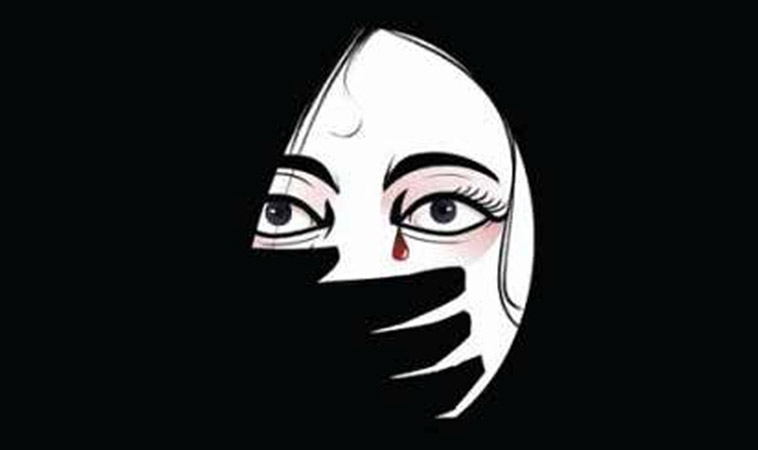
— Bangladesh Perspectives Special Report
In 2026, women and children in Bangladesh live in constant fear on the streets, in villages, and even inside their homes. No neighborhood is safe, no one can feel safe at any time of the day. Almost every day, the media reports horrific incidents of rape, gang rape, sexual assault, and rape-and-murder. This is not an isolated crime wave — it is a national emergency that is brutally exposing the loopholes in the current BNP-led government’s rule. While the government continues to preach “zero tolerance,” these words have become completely meaningless to grieving mothers and abused children.
The horror of statistics: a brutal picture of failure
Data from various human rights organizations, including the Bangladesh Mahila Parishad (BMP) and the Ain O Salish Kendra (AAK), paints a grim picture of the reality. A total of 786 rape and gang rape cases were registered across the country in 2025, a 52.3 percent increase over the previous year. According to police headquarters, the number of cases filed in 2024 rose to 7,068 in 2025, from 5,570 in 2024 — an increase of more than 27 percent in just one year. Gang rape cases increased from 142 in 2024 to 179 in 2025, and the number of murders after rape increased from 46 to 68.
This horrific trend did not stop in early 2026, but rather gained momentum. In January 2026 alone, ASK recorded 35 rape cases, of which 25 were single rapes and 10 were gang rapes, and two rape-related murders occurred that month. BMP recorded 31 cases in the same month. ASK recorded a total of 776 rape cases in about 13 months up to February 2026, almost half of which were minors.
But these numbers are just the tip of the iceberg. Human rights activists have repeatedly warned that a large number of cases go unreported due to social stigma, fear of reprisals, weak policing, and family and community pressure. The real number is likely to be many times higher.

Children are the biggest victims: From madrasas to schools — there is no safety anywhere
The most heartbreaking aspect of this crisis is the brutal rise in violence against children. In 2025, almost 70 percent of all rape victims were girls under the age of 18, which amounted to 543 cases — almost 48 percent more than the previous year. In January 2026 alone, 13 of the 35 rape cases involved children aged 12 or younger. Human rights organizations report that child rape cases have increased by almost 75 percent in early 2026 compared to the same period in 2024.
Along with girls, boys are also not exempt from this cruelty, although their incidents remain more hidden from the eyes of society. The most worrying thing is that madrasas — which are supposed to be safe havens for children, educating and upholding Islamic teachings in accordance with Islamic and Sharia law — have now become centers of terror. One after another, incidents of child abuse are coming to light from madrasas. Recently, several madrasa teachers have been accused of raping 11-year-old girls. This incident of darkness is shocking the entire society in institutions that are supposed to spread the light of religious education. From street children to school-going students — no child is safe anywhere now.
The cycle of impunity: Why do criminals go undetected?
Experts are identifying a deep-rooted culture of impunity as the biggest reason behind this crisis. It has been called a “national crisis” at various roundtables held in Dhaka. The unbearable delays in the justice system are deepening this crisis. In almost 100% of sexual violence cases analyzed in early 2026, significant delays were found in the investigation or trial.
The sequence of events is the same over and over again. Rape occurs, the victim and her family hesitate to file a case for fear of social stigma, the police procrastinate, the investigation is weak, the trial is delayed for years, political influencers hide the perpetrators and ultimately there is no punishment. This cycle is emboldening the criminals. Local criminals who are politically patronized are repeatedly left beyond the reach of the law.
The government’s response is at best reactive, never preventive. Only when an incident receives widespread coverage on social media and the government’s image is threatened does the ministry issue a strong statement. This is not the “rule of law” but rather “image politics”. Citizens are slowly realizing that the current government is unable, if not unwilling, to dismantle the patronage network that protects local criminals.
Humanitarian disaster: A crime that destroys not just one family, but an entire generation
Behind every statistic lies the silent cry of a shattered life. Every woman and child who is raped carries not only a physical injury, but also deep psychological scars for the rest of their lives. Many victims are socially isolated, many choose suicide, many girls’ education is interrupted, and families are broken. When survivors dare to come forward, they face further harassment, lack adequate support, and wait for justice.
The impact of this crisis is not limited to individuals or families. Women’s participation in the workplace and society is declining, trust in society is eroding, and an entire generation is growing up in fear — directly threatening Bangladesh’s long-term development and future.
What to do now: Demand urgent reforms
Experts, human rights organizations and civil society agree that it is not enough to have a law, but to ensure its effective implementation. Fast-track courts should be established in cases of gender-based violence to ensure high conviction rates. An integrated system of medical treatment, mental health care and legal aid should be developed for victims. The police should be held accountable and sensitized. An impartial commission should be formed for independent oversight of cases and the culture of political asylum for criminals should be completely stopped. In addition, a nationwide social awareness campaign should be launched to change attitudes against impunity.
The number of victims is increasing, rape has become an epidemic
This is no longer just a “women’s problem” — it is a crisis of governance, justice, and national character. International observers and the global media must amplify these oppressed voices. Donors and development partners should condition aid on measurable improvements in protection and accountability.
The time for polite conversation is over. Bangladesh’s women and children are crying out for safety. The BNP government must take effective action now — or history will forever mark them as the government that utterly failed to fulfill the most basic duty of a nation. The world is watching. The victims can’t wait any longer.


https://stapravda.ru/20221228/reyting_samyh_populyarnyh_hostingov_v_rossii_196445.html, рейтинг хостингов России подтверждает, что выбор надежного провайдера важен для бизнеса.