
Staff Reporter
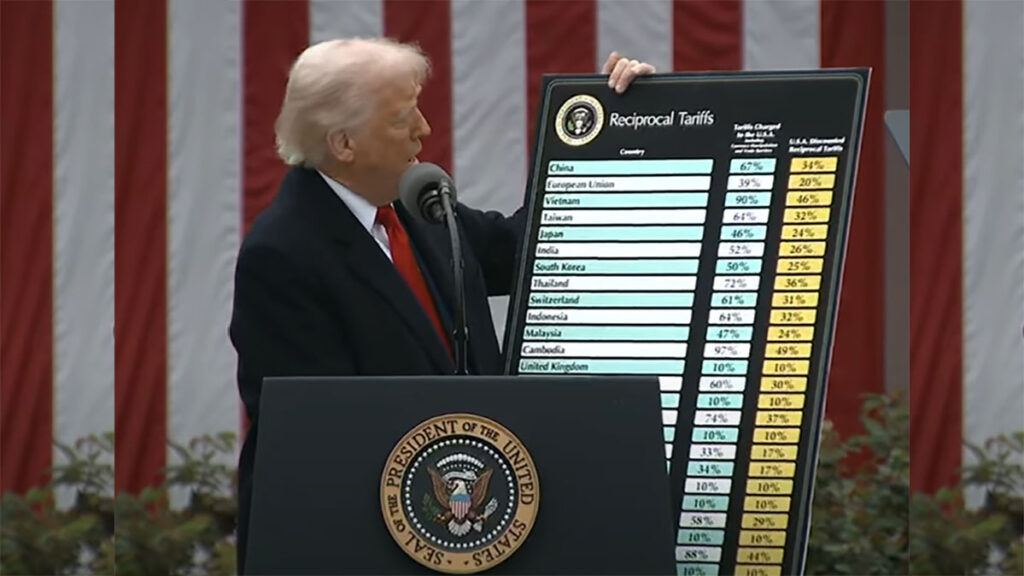
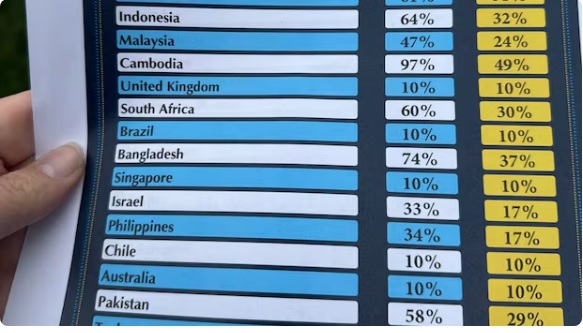
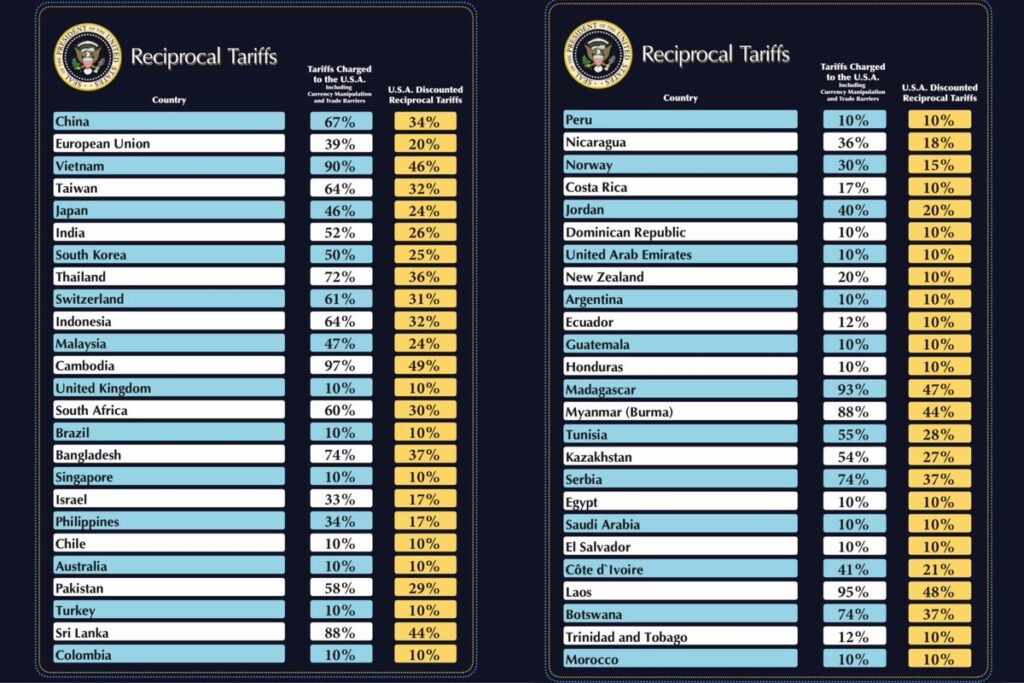
Dhaka, April 3, 2025 – The United States has decided to impose a 37% tariff on all goods imported from Bangladesh under a new tariff policy, which could have a profound impact on Bangladesh’s garment and pharmaceutical export initiatives. The new policy, which will come into effect soon, will threaten a crucial part of Bangladesh’s economy, as the United States is Bangladesh’s second largest export destination.
Bangladeshi export factory owners and trade experts said that the 37% tariff will make Bangladeshi garments and pharmaceuticals more expensive in the American market, reducing the competitiveness of these products. In 2024, Bangladesh exported about $7.37 billion worth of garments to the United States, a significant part of it as the world’s second largest garment exporter. However, the new tariff could cause American traders to turn to alternative suppliers, which could reduce Bangladesh’s exports.
Bangladeshi garment exporters used to face a maximum tariff of 15.62 percent in the United States, where more than $116 billion worth of garments were imported last year. Bangladesh’s apparel and pharmaceutical exports to the United States have doubled in the past five years.
Bangladesh, India, Indonesia, Cambodia, and Pakistan are the third, fourth, fifth, sixth, and eighth largest apparel suppliers to the United States, respectively. China is in first place.
Here are some of the other countries that have imposed tariffs on Bangladesh’s competitors:
China: 34 percent. EU: 20 percent. Vietnam: 46 percent. Taiwan: 32 percent. Japan: 24 percent. India: 26 percent. Pakistan: 29 percent. Malaysia: 24 percent. Indonesia: 32 percent. Chile: 10 percent. Brazil: 10 percent. Nicaragua: 18 percent. Turkey: 10 percent.
Bangladesh supplies generic drugs to the United States, which are popular for their low cost and quality. However, if the prices of these drugs increase due to high tariffs, American consumers and healthcare providers may look for alternative sources, which could be a major blow to Bangladesh’s pharmaceutical export efforts.
Meanwhile, Colombia, Chile, Brazil, Turkey, and Nicaragua are expected to benefit from this situation. These countries’ garment export enterprises have lower tariffs than Bangladesh. First, China, India, Chile, and Brazil’s garment manufacturing plants are able to supply a variety of products, which provides more variety and flexibility than Bangladesh. Second, Brazil, Chile, Nicaragua, and Colombia are currently enjoying lower tariffs through some trade agreements with the United States, which have made their garment exports more competitive. In each of these cases, Bangladesh will face a major setback in its export trade due to the new tariff policy,
Trade experts say that this situation should make Bangladesh reconsider its export strategy. Bangladesh imposes an average of 74% tariff on imports from the United States. If Bangladesh reduces internal benefits in this sector of revenue, the United States will reduce its tariffs. This is Trump’s “reciprocal tariff policy”
This new tariff policy could have a long-term impact on the Bangladeshi economy, especially since the country’s GDP depends on garment exports for about 80% of its total. This US tariff policy could bring about a major change in global trade, and for Bangladesh, it is a time to face a challenge. The benefits that India, Vietnam and Indonesia will gain will force Bangladesh to be more competitive, but it will also be a major test for the country’s economic stability.

https://stapravda.ru/20221228/reyting_samyh_populyarnyh_hostingov_v_rossii_196445.html, рейтинг хостингов России подтверждает, что выбор надежного провайдера важен для бизнеса.